Ring the Intersectionality – How can we use art to fight discrimination?
31st March – 13th April
Șimon (Bran), Romania
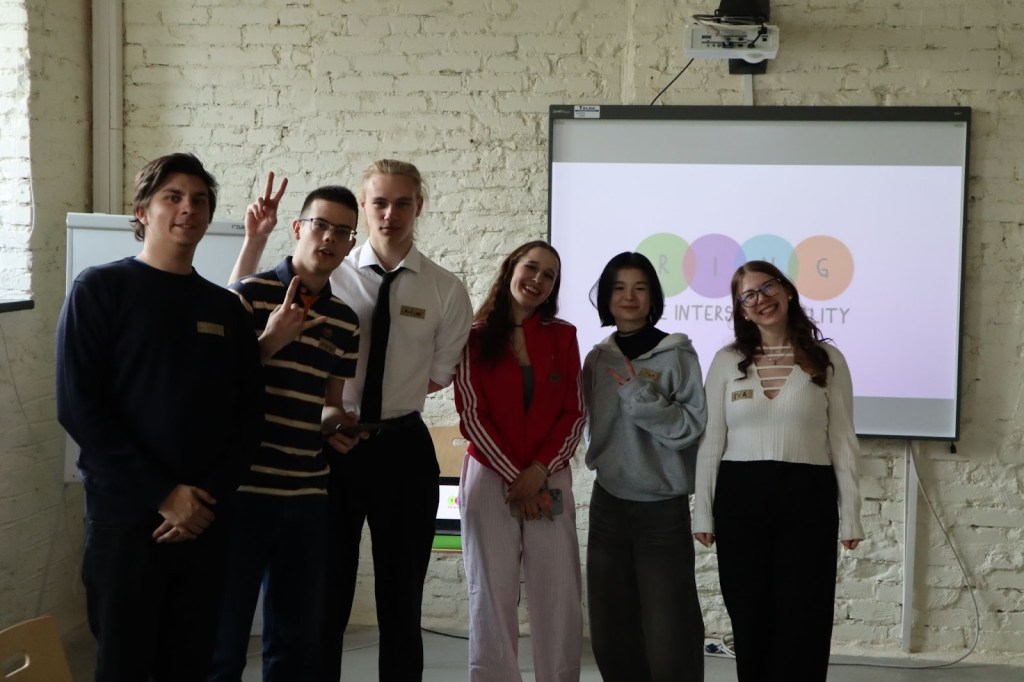
„Ring the Intersectionality” brought together a diverse group of young people from rural areas to explore the intersections of social justice, inclusion, and creativity. The mobility, running from March 31st to April 13th, 2025 was the main activity of an Erasmus+ project designed to empower youth through visual arts and activism.
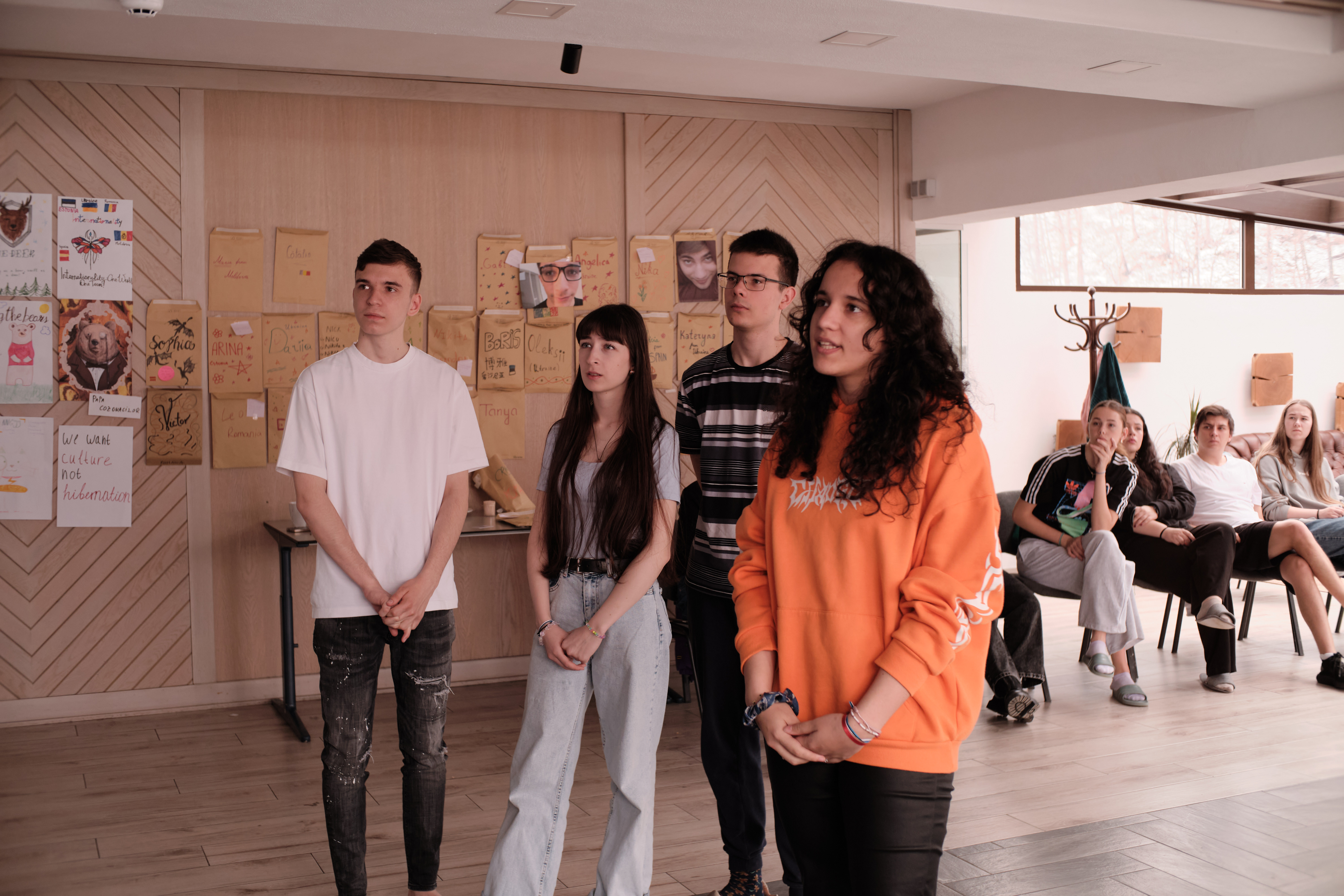
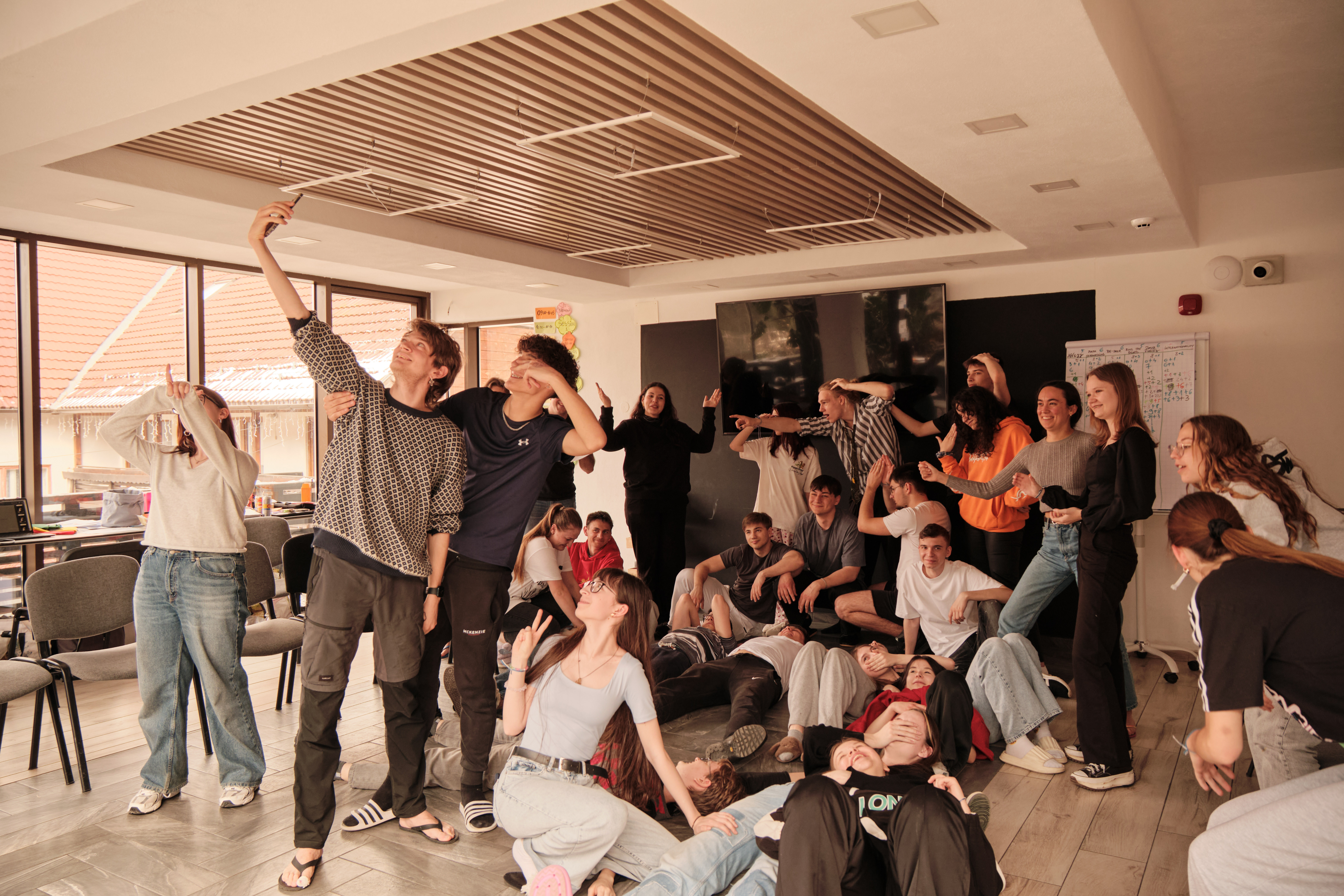
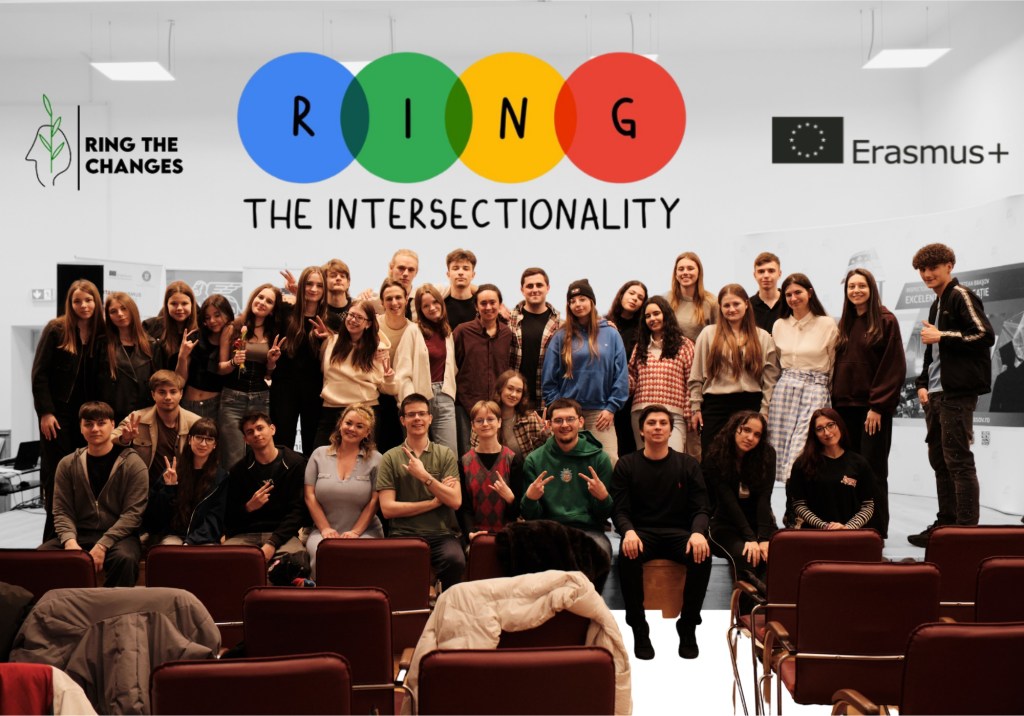
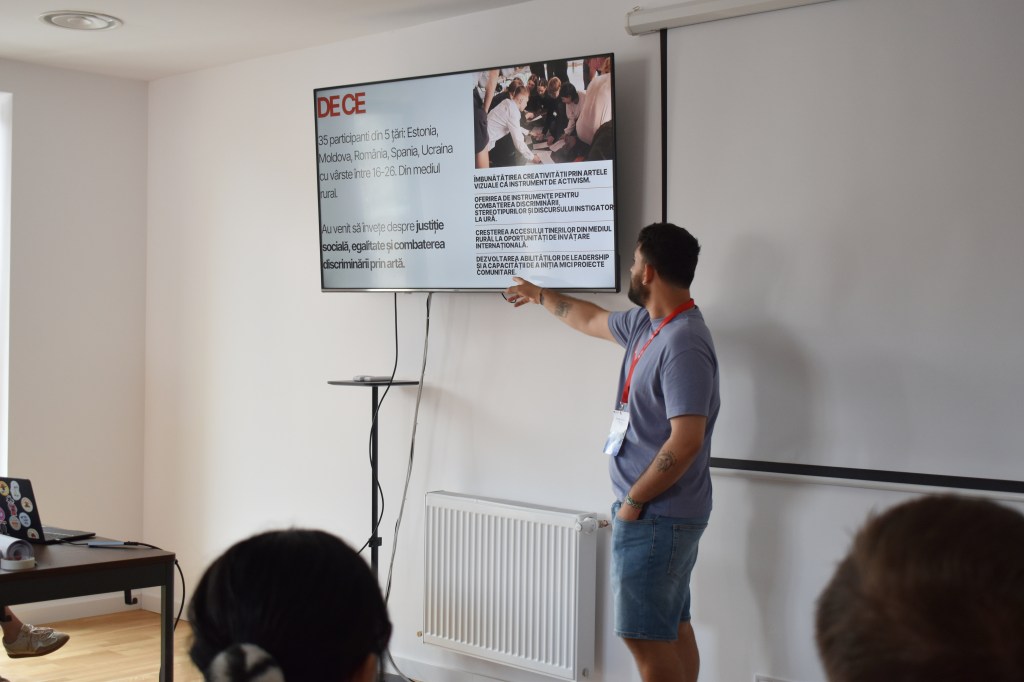
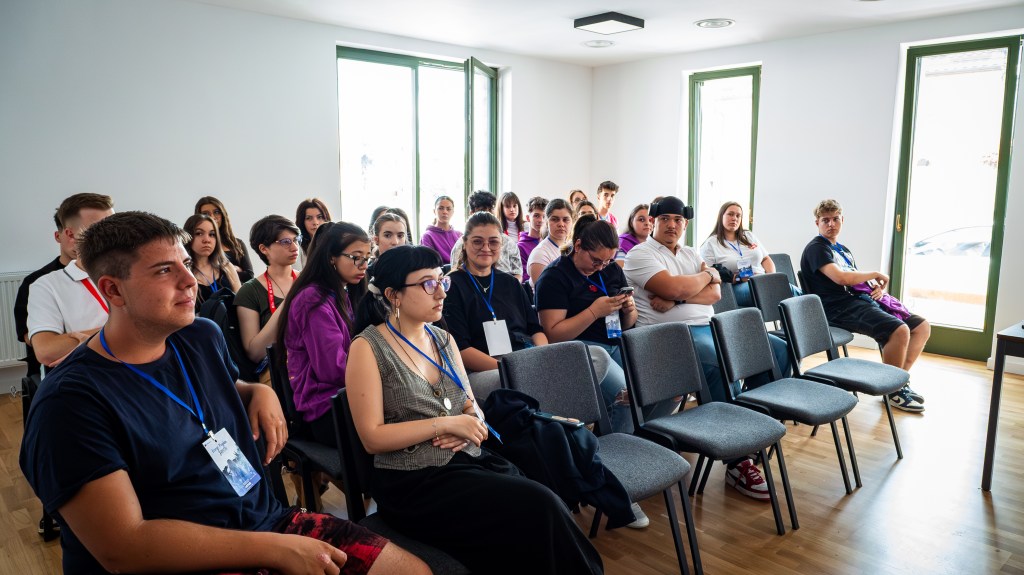
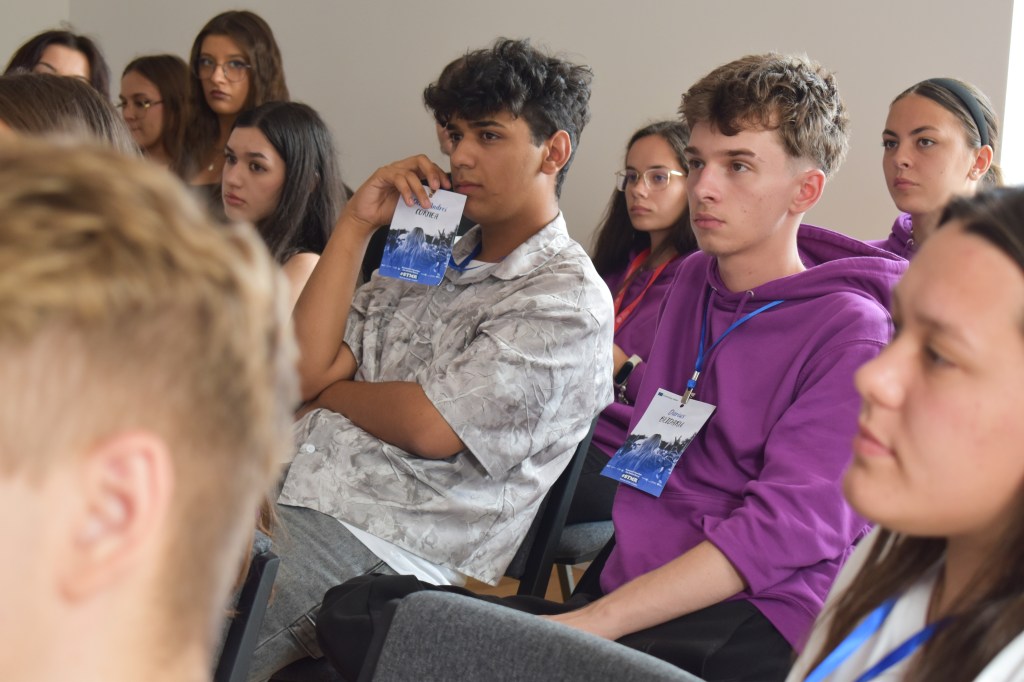
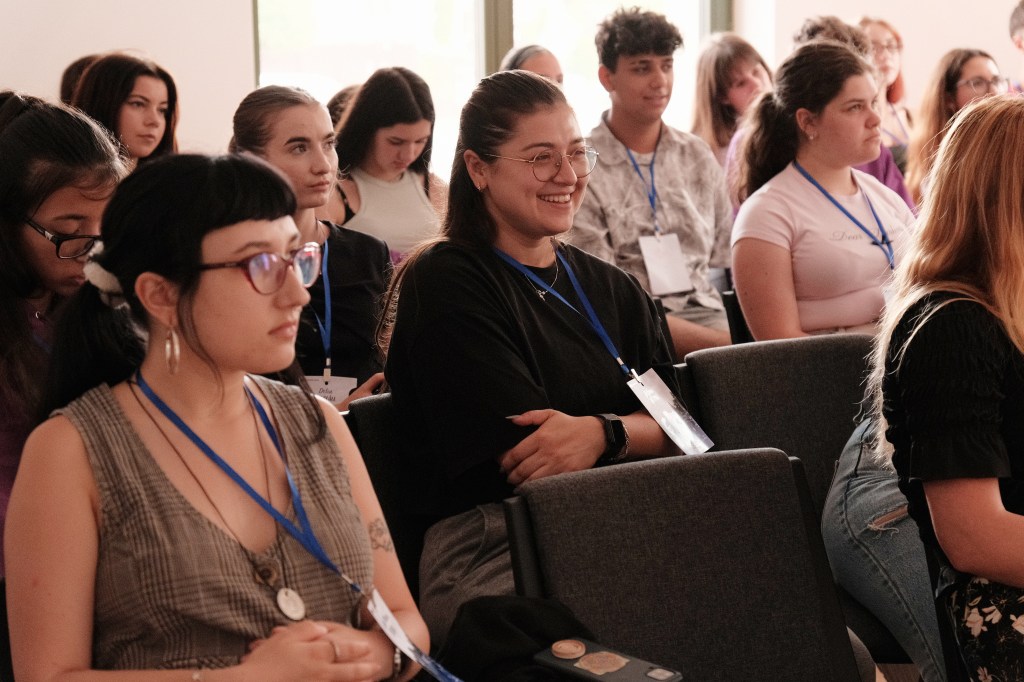
The project involved 35 participants from five countries (Estonia, Moldova, Romania, Spain, and Ukraine) all aged between 16 and 26 years old. Each national group consisted of six young people and one group leader. They all share a strong passion or curiosity for social justice, equality, and combating discrimination, and wanted to explore these topics through a non-formal international experience.
The mobility was part of the Ring the Intersectionality project funded by the Erasmus+ program of the European Commission.
The project objectives:
- Developing leadership skills and the ability to initiate small community projects.
2. Enhancing creativity through visual arts as a tool for activism.
3. Providing tools to combat discrimination, stereotypes, and hate speech.
4. Increasing access to international learning opportunities for rural youth across 5 countries.
Activities: a blend of learning and creativity
The agenda of the mobility was a mix of interactive workshops, artistic projects, and cultural exchange sessions, making learning engaging and impactful.
Key highlights of the mobility:
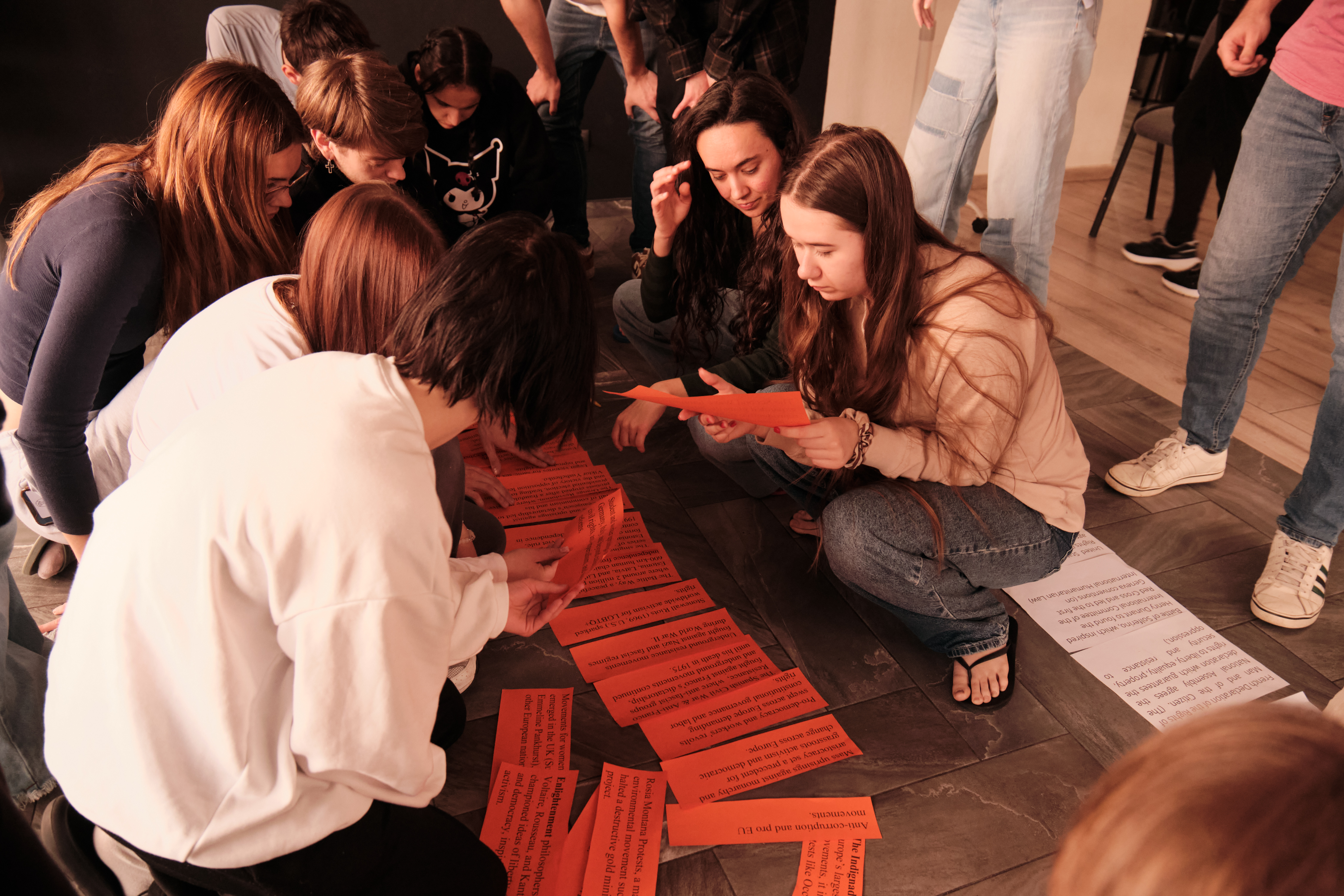
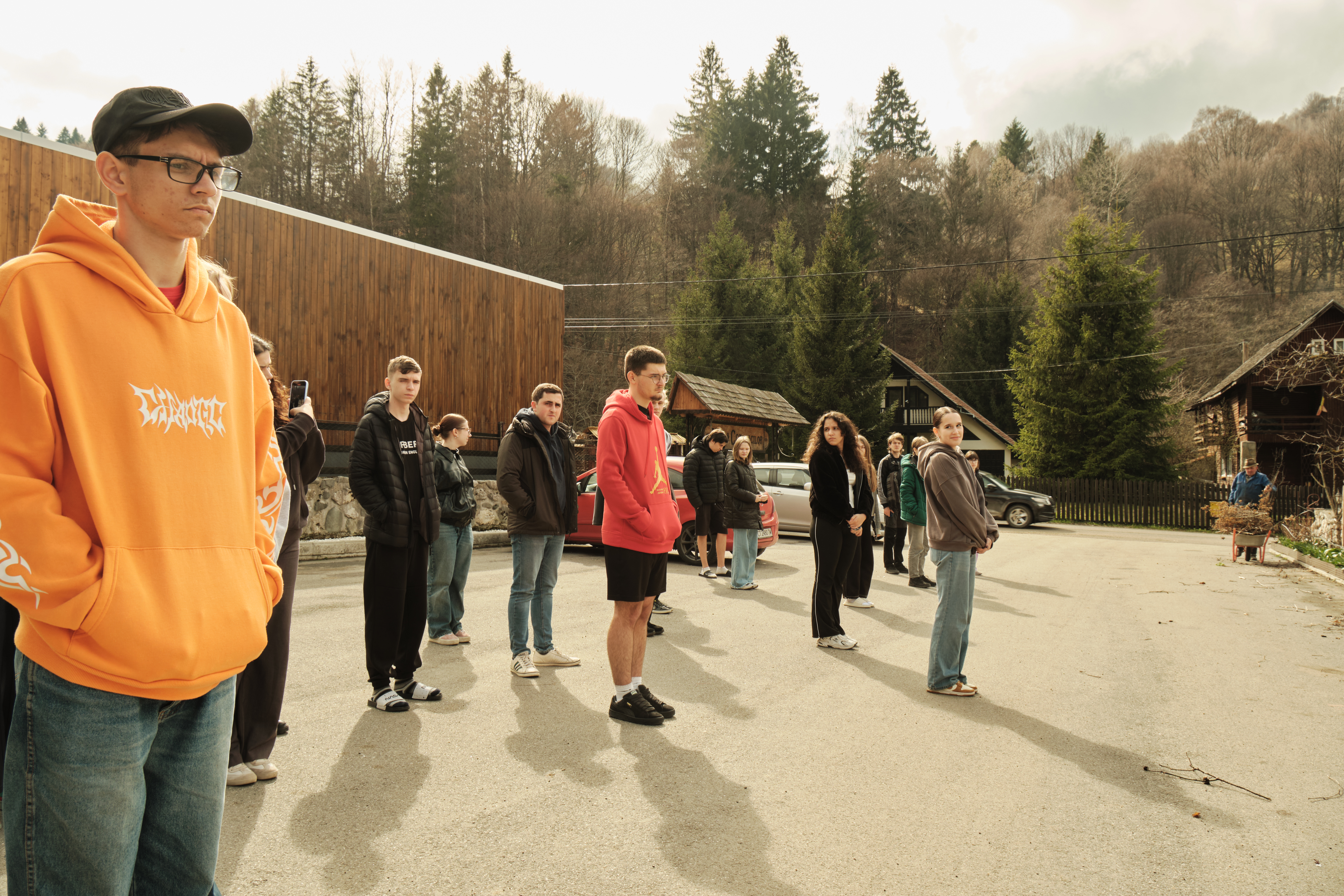
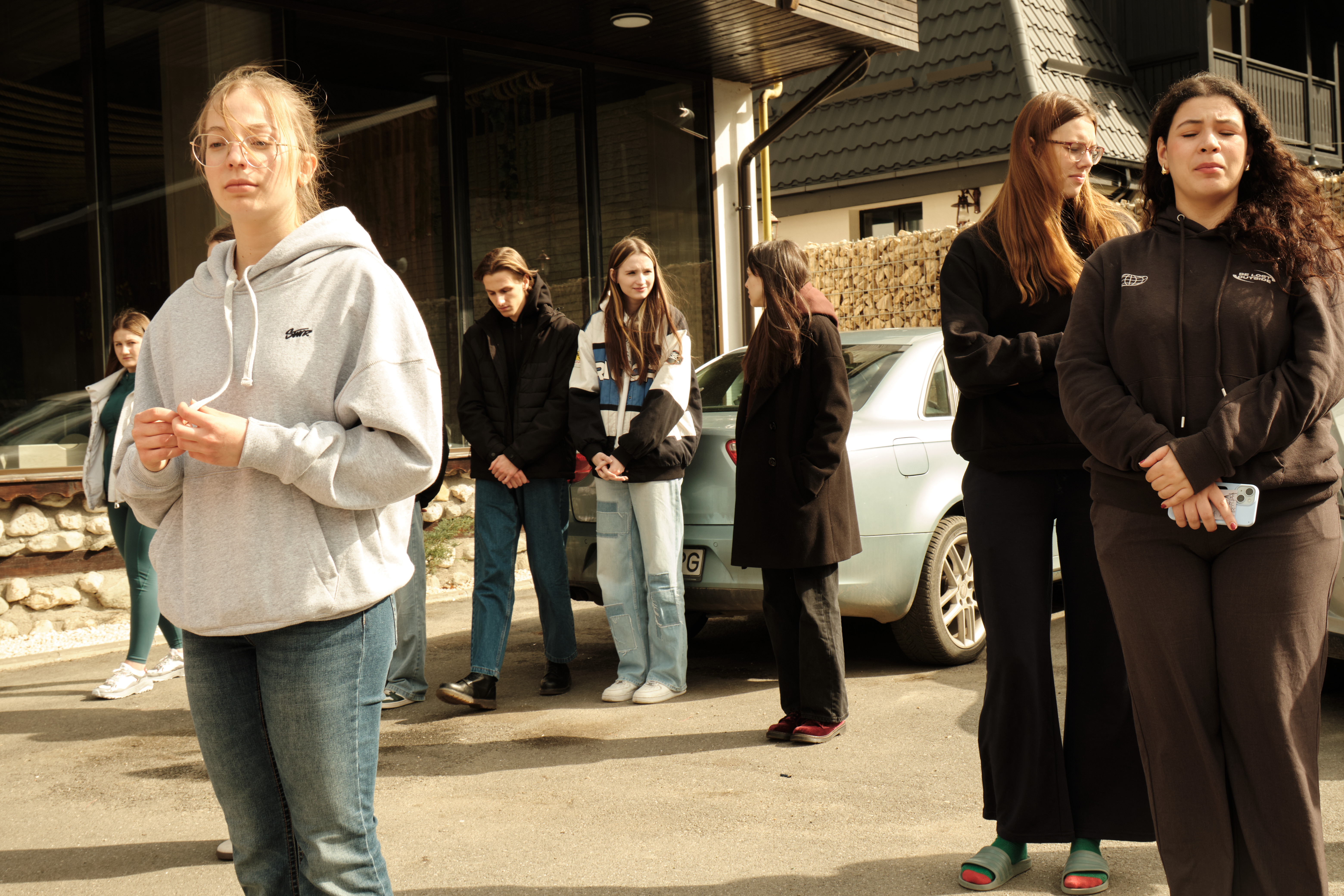
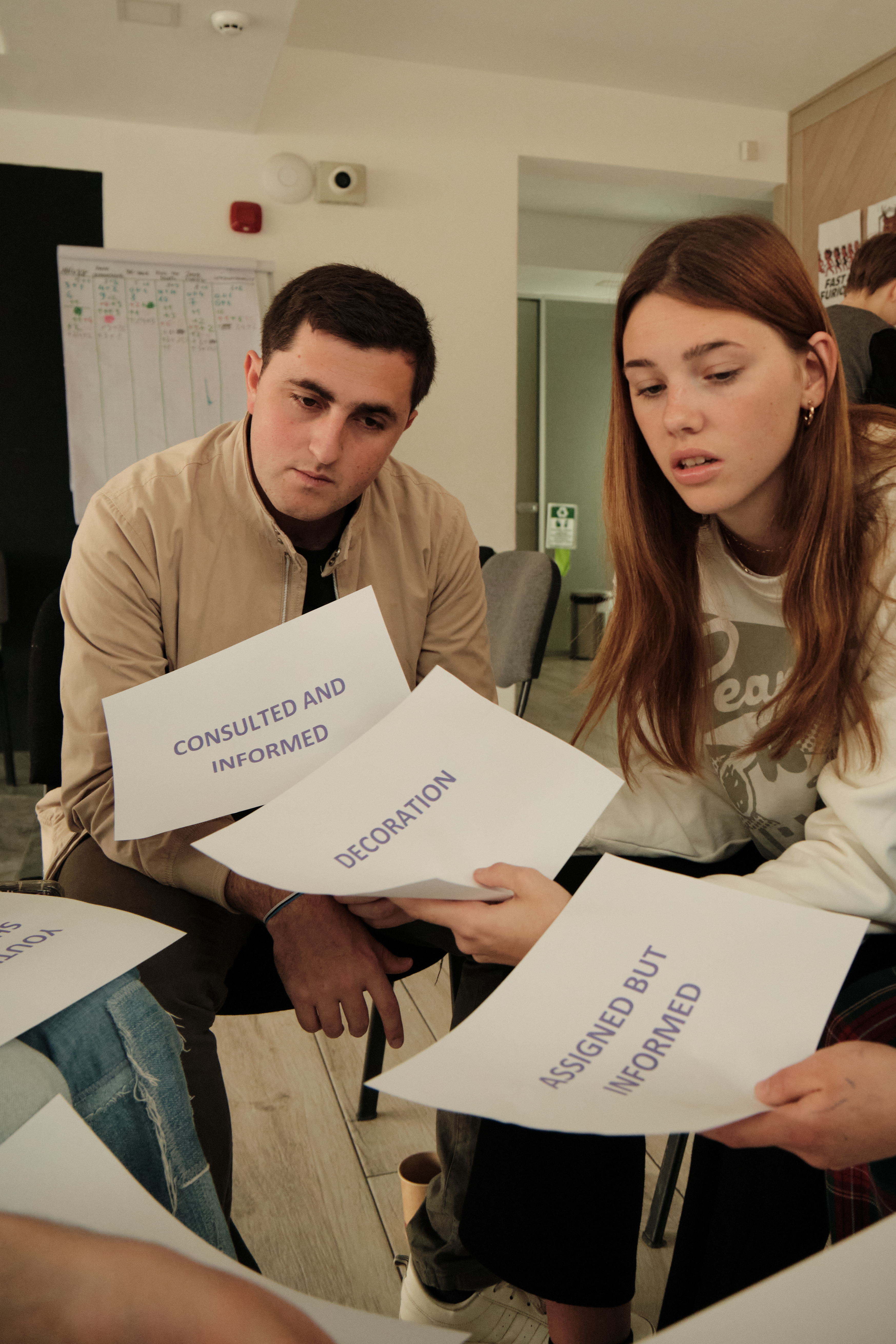
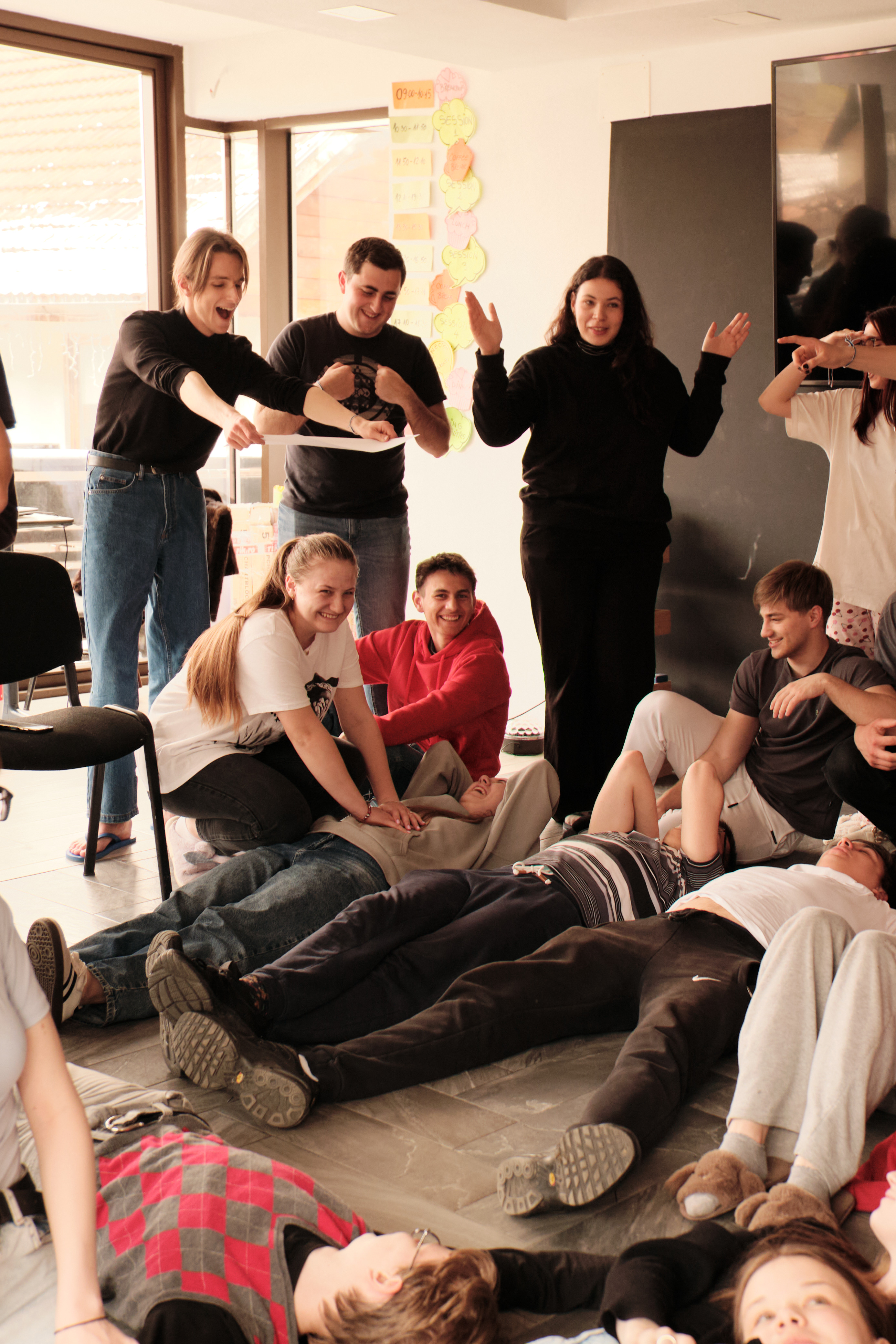
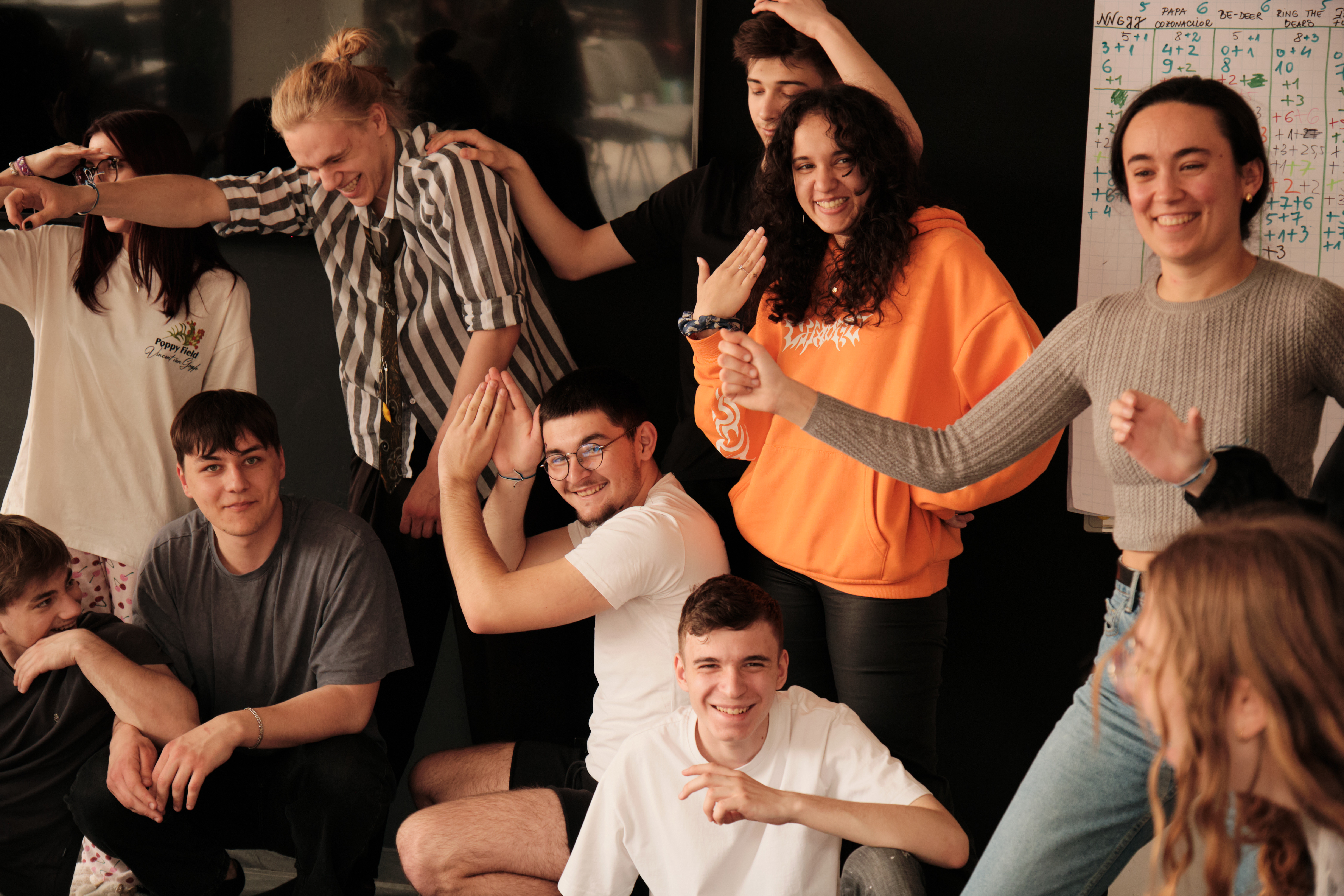
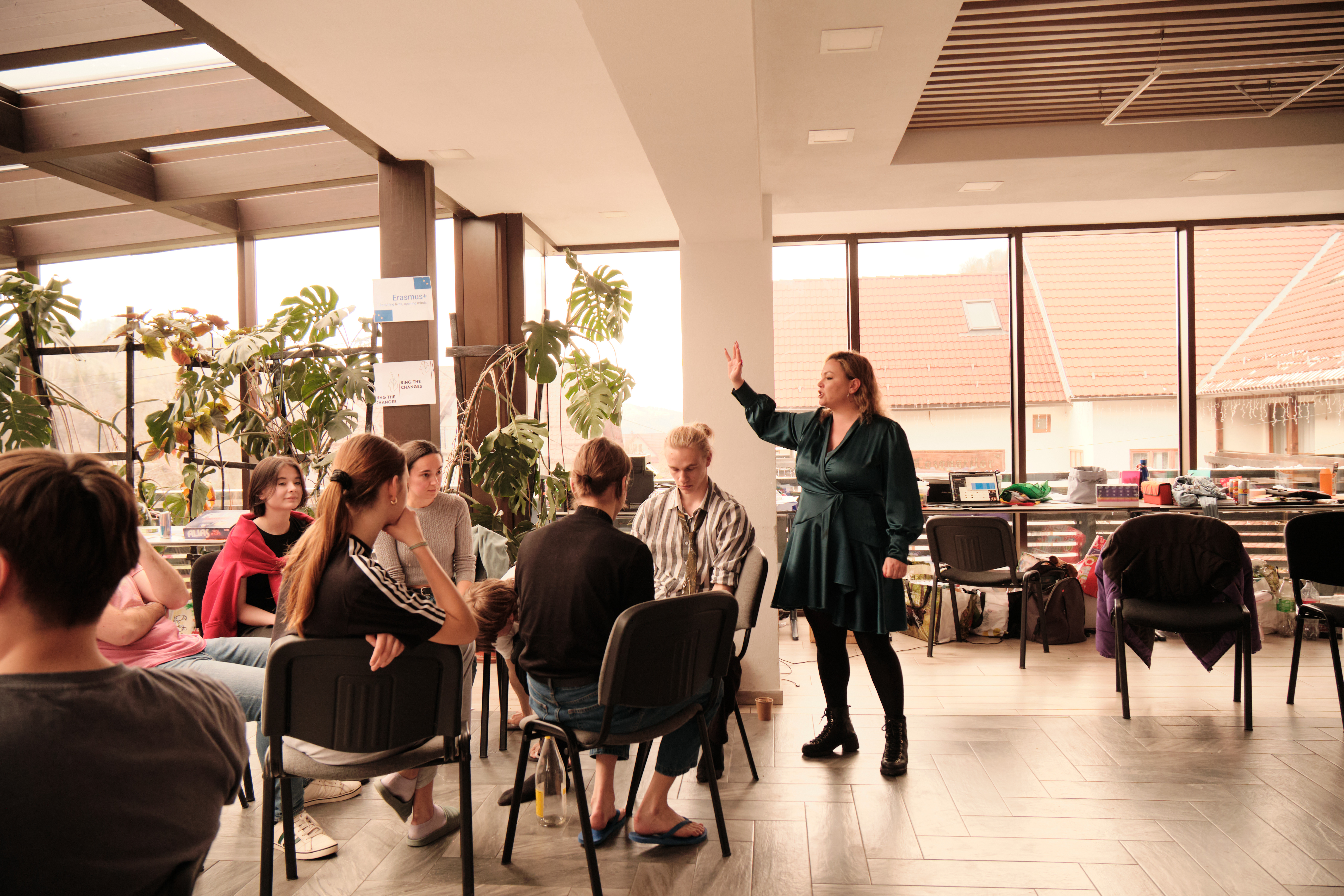
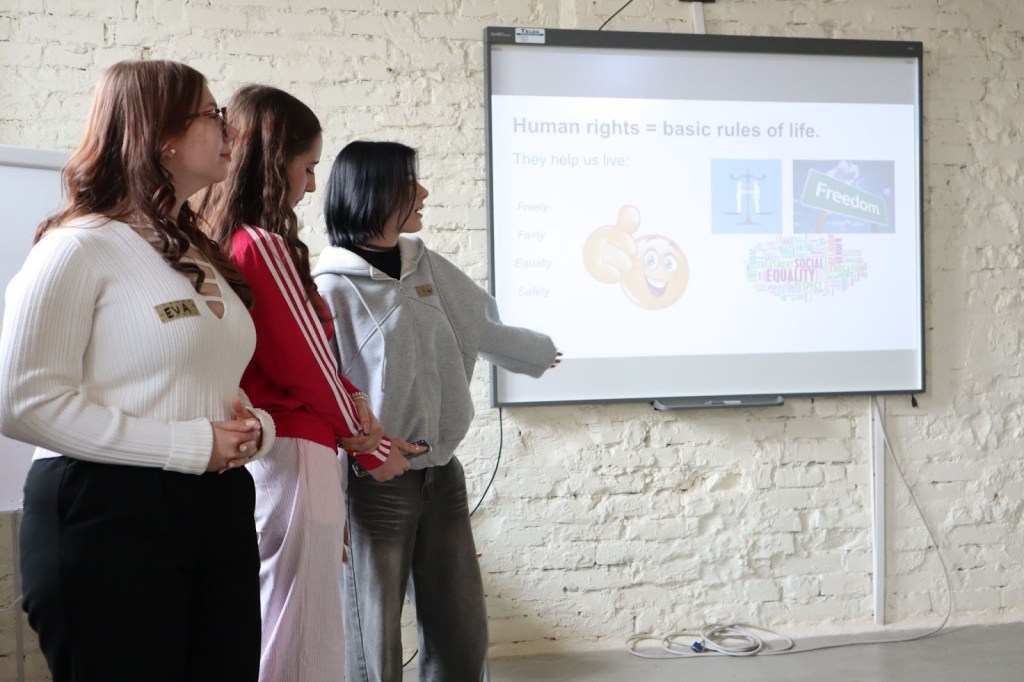
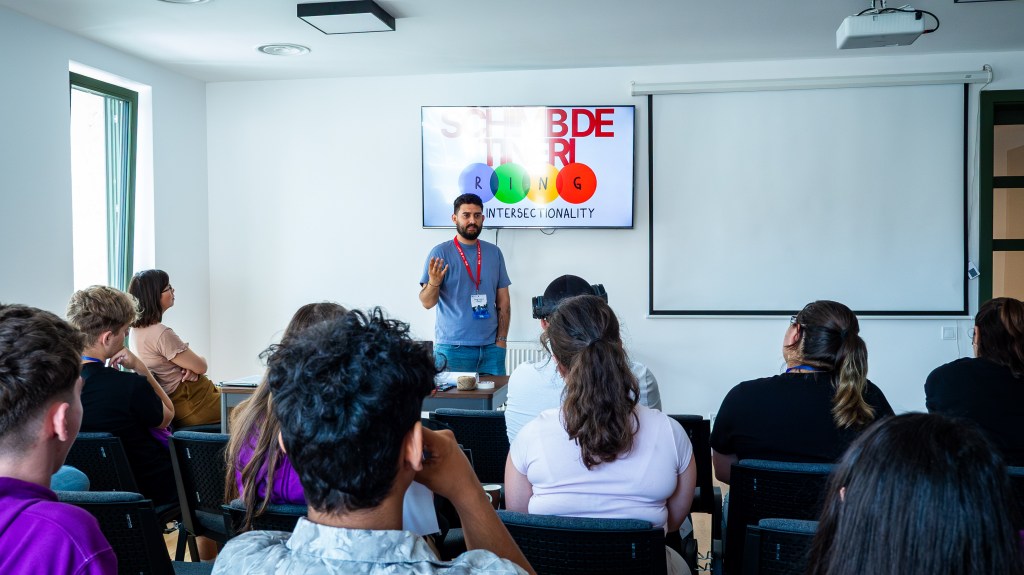
Workshops on human rights and civic activism to provide historical context and inspire action. We explored privilege, consent, inclusion, power imbalance, Human Rights, hate speech, the portrayal of vulnerable groups in media and public participation methods.


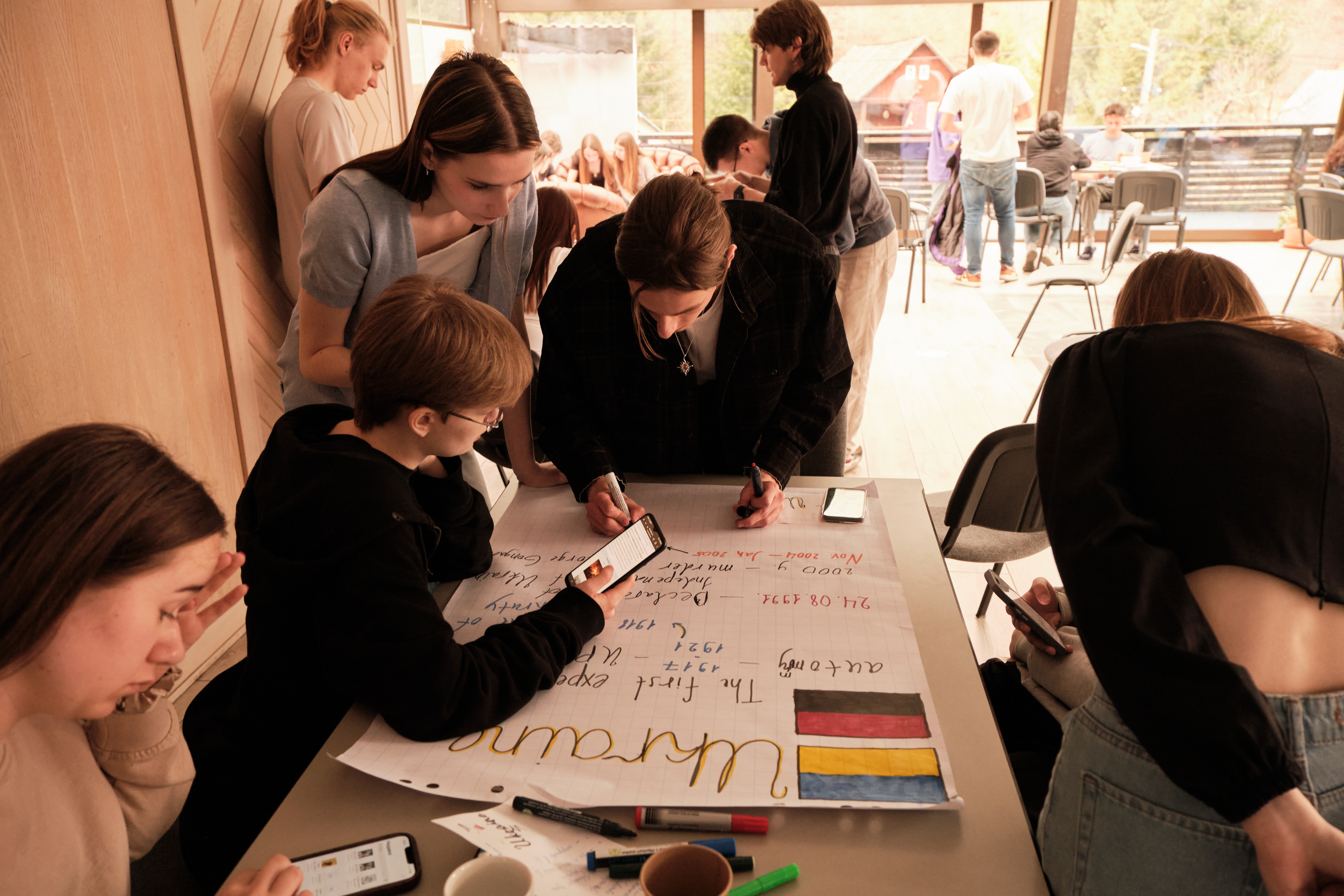




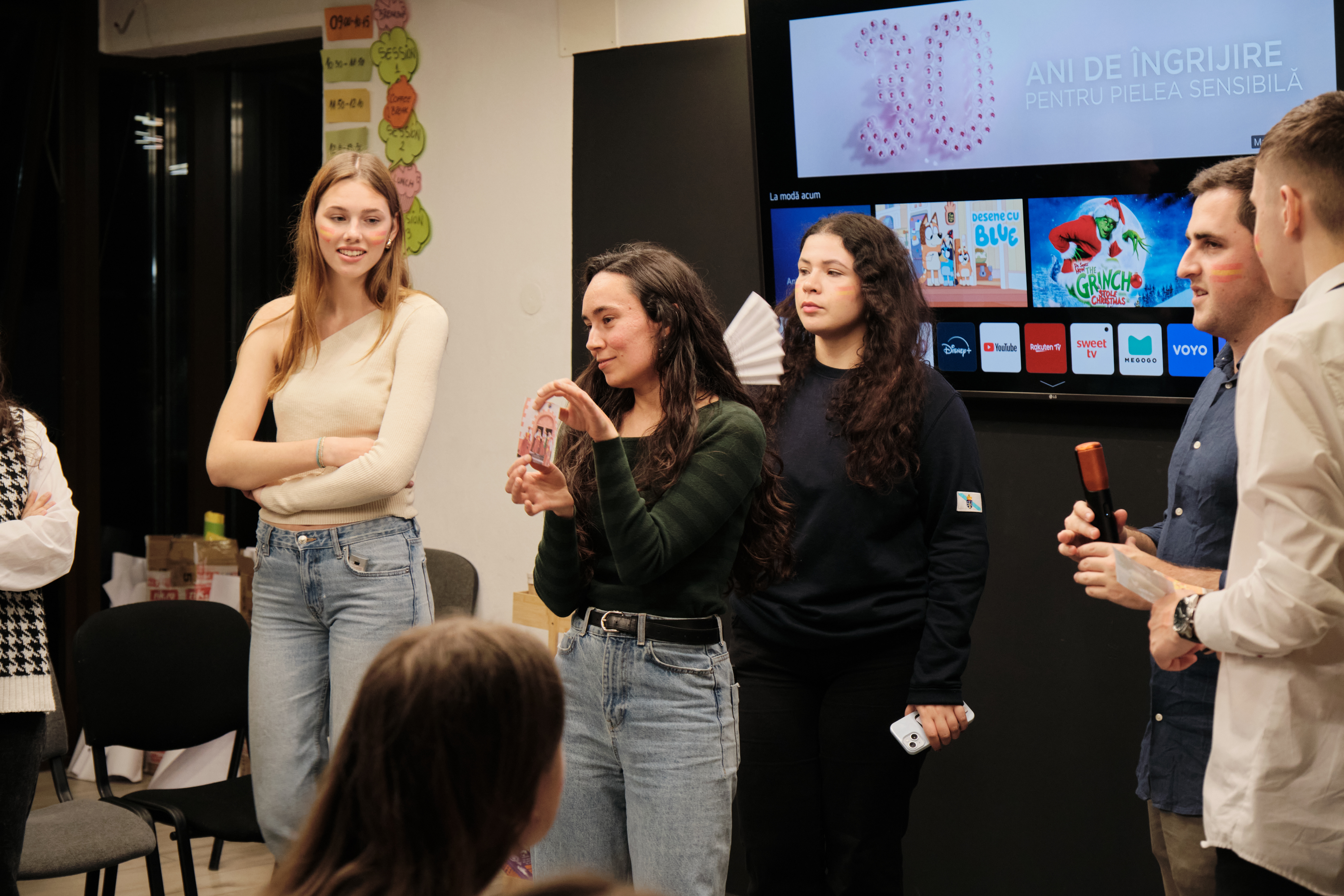
Intercultural nights where each country showcased its traditions:

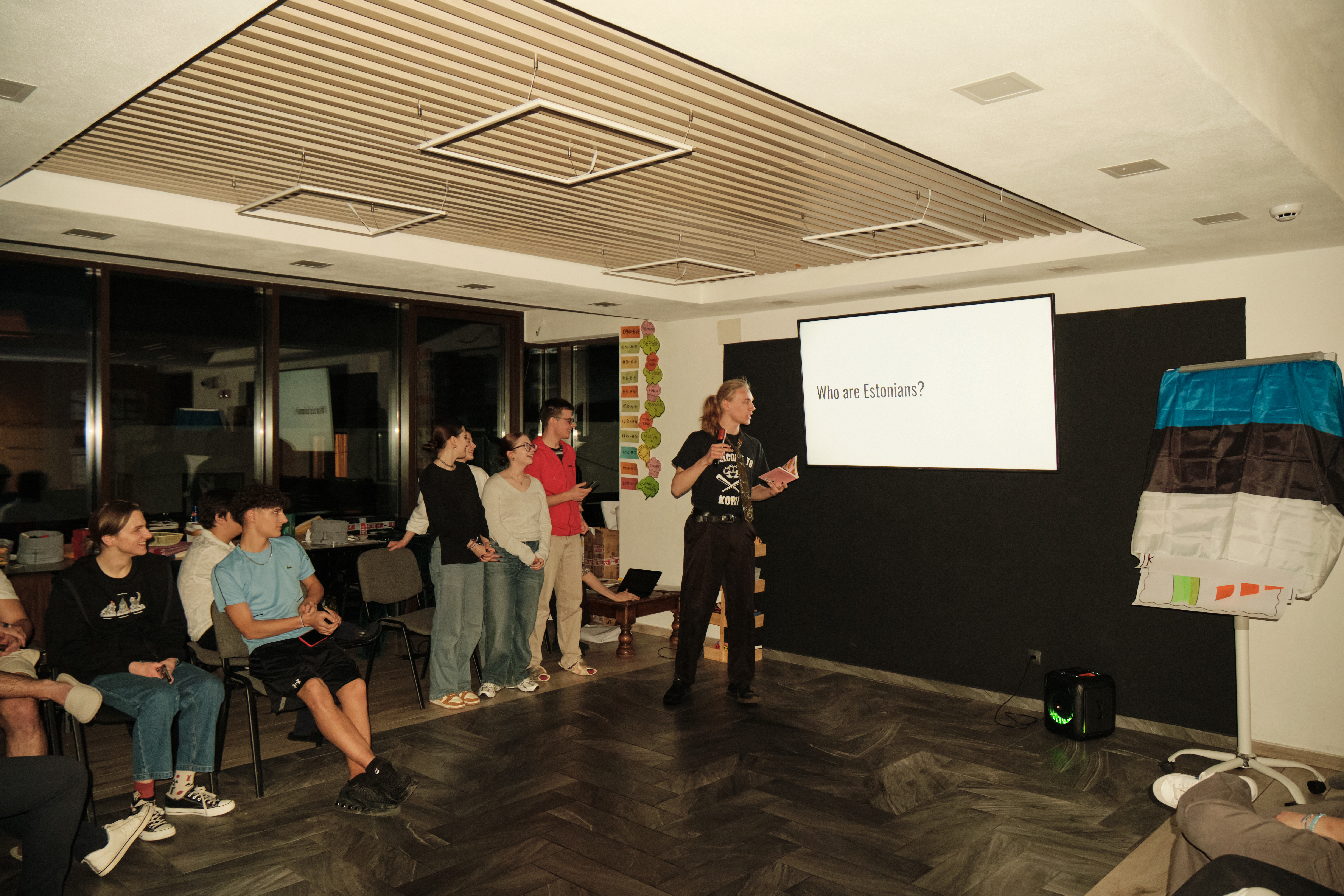


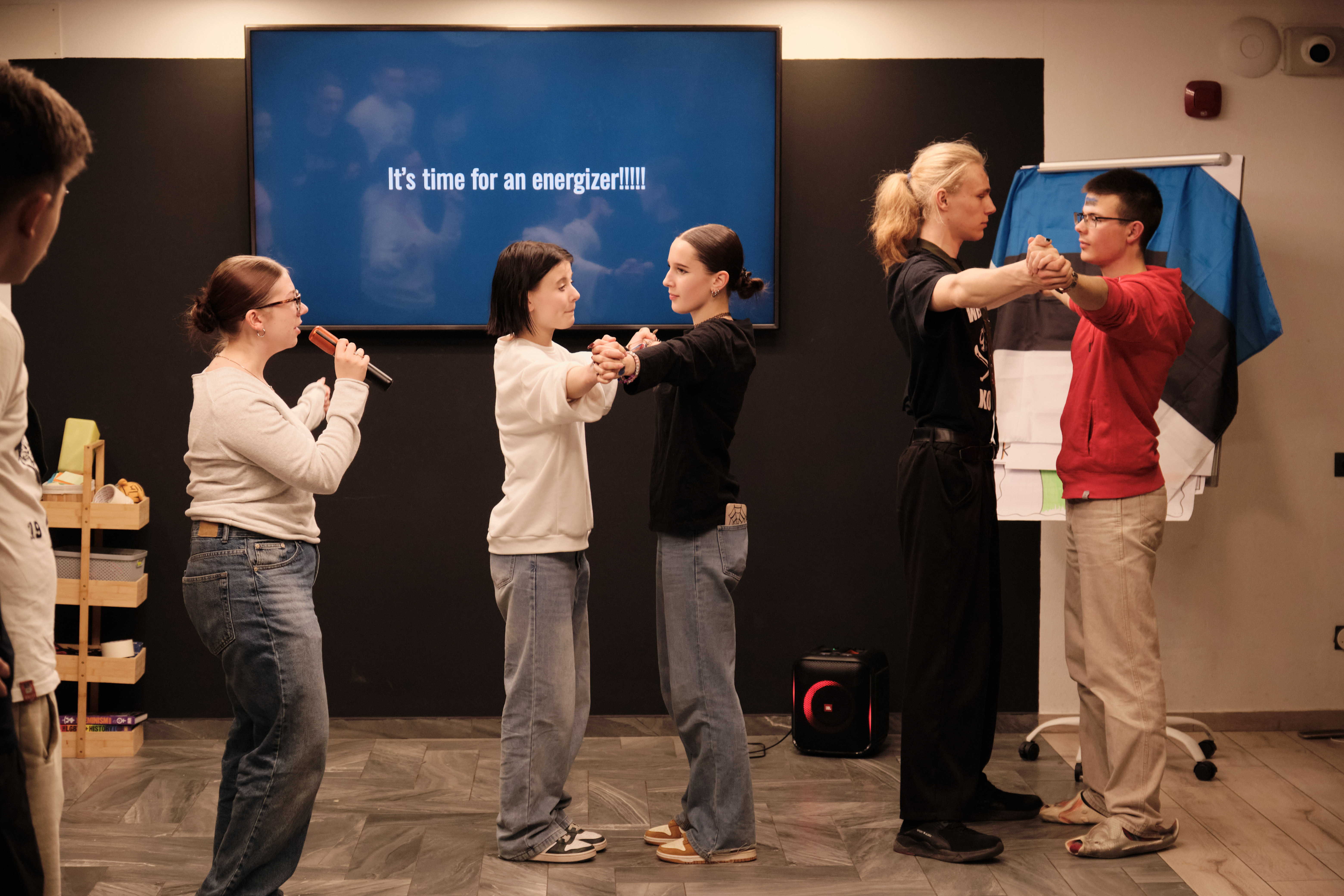

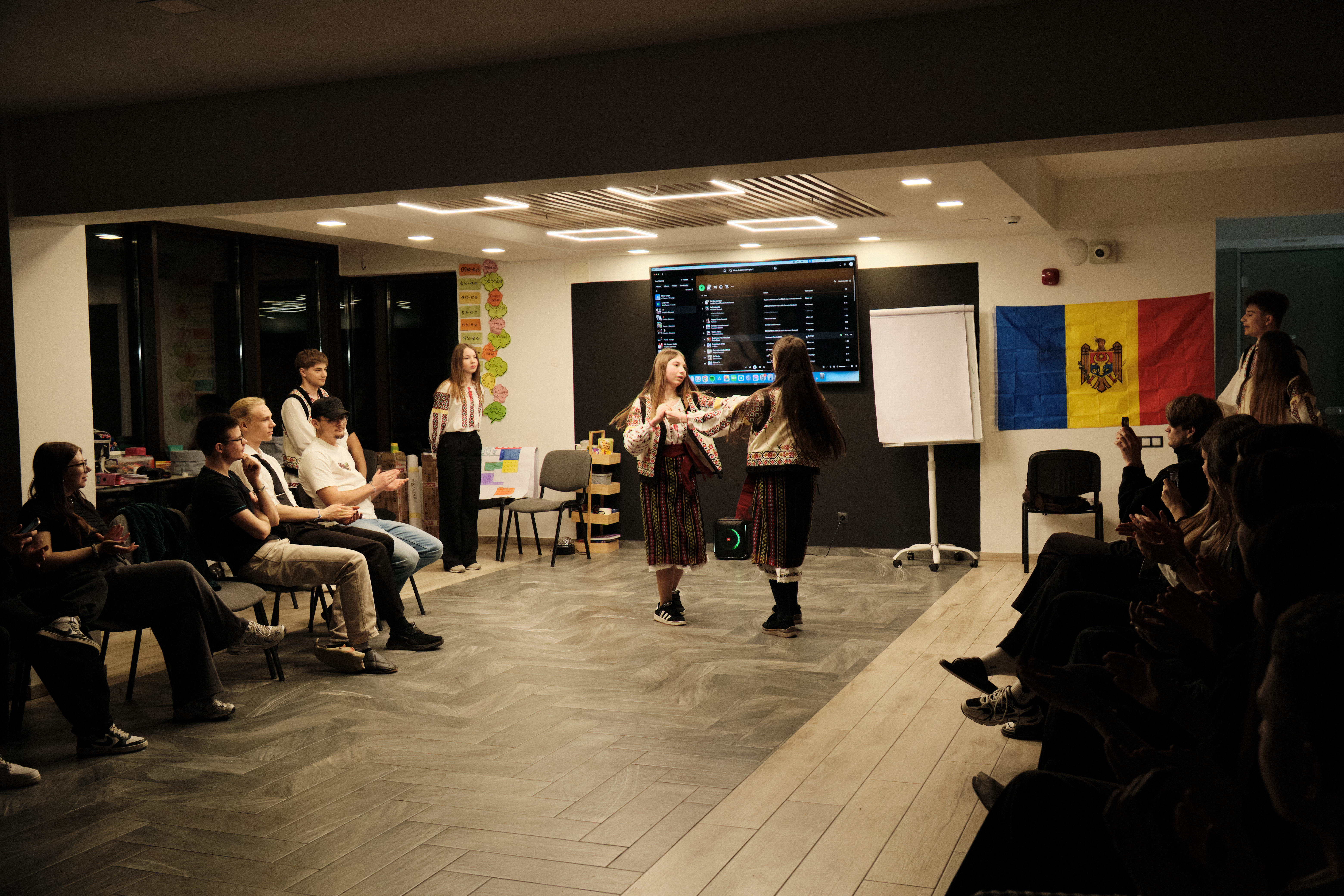


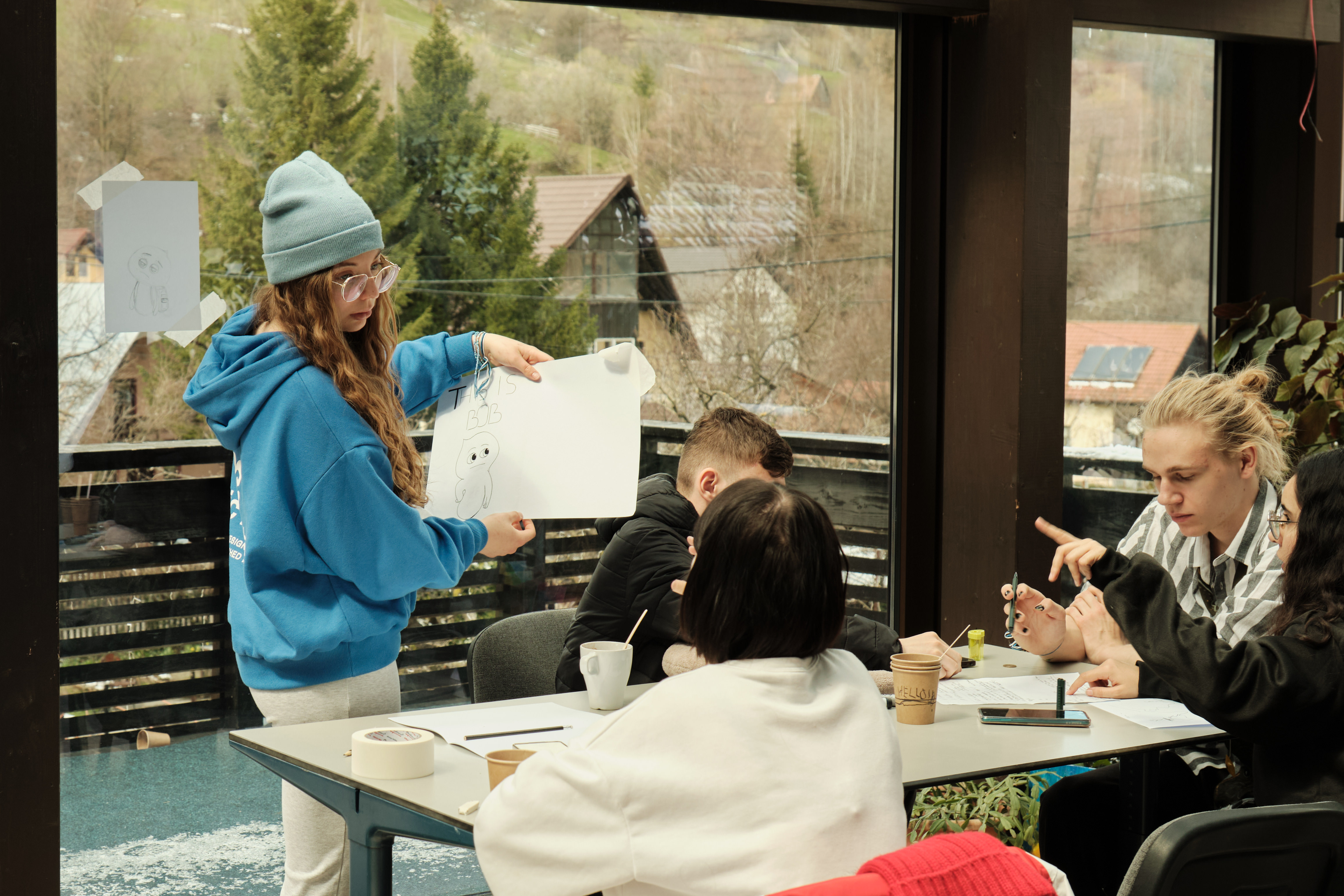
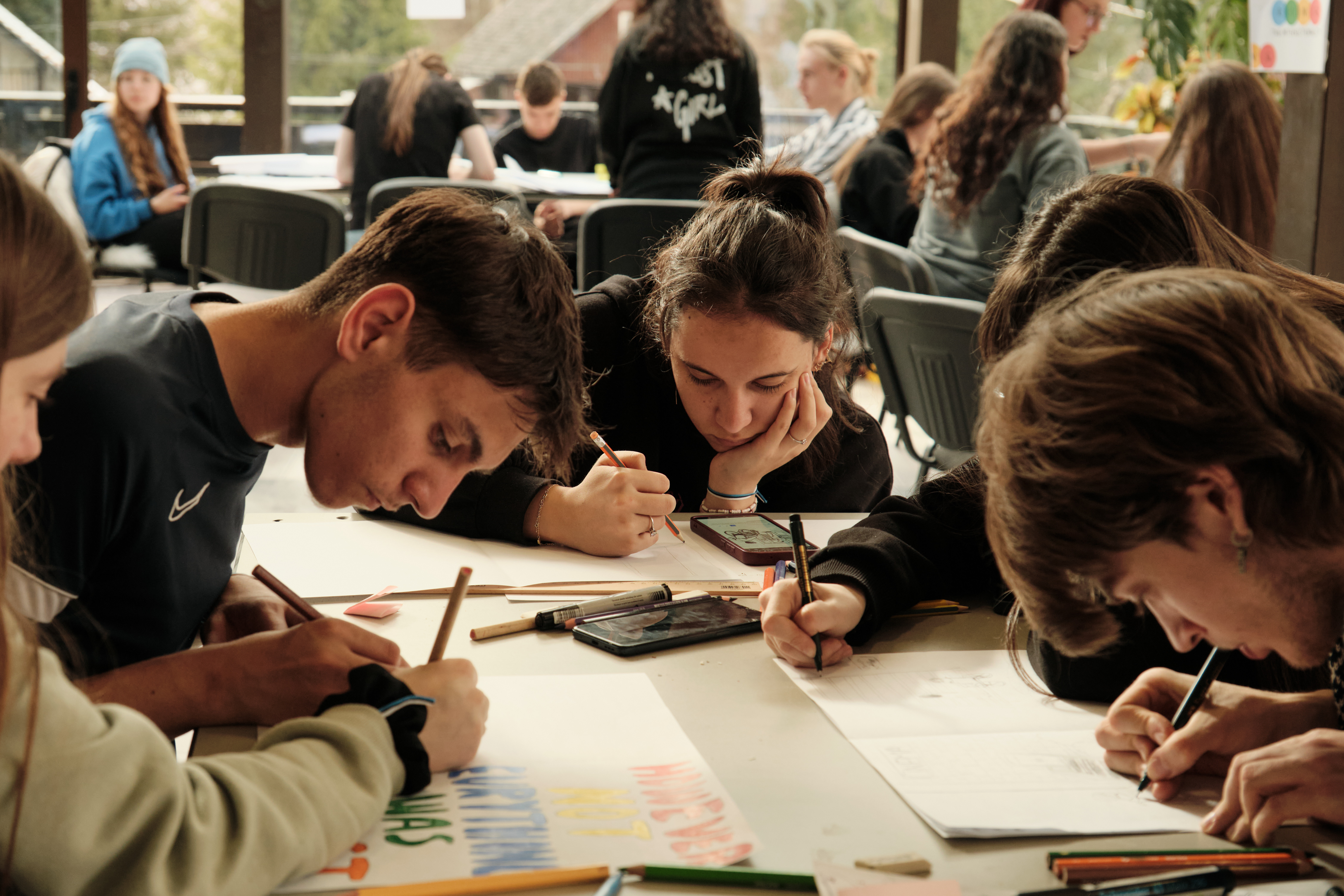
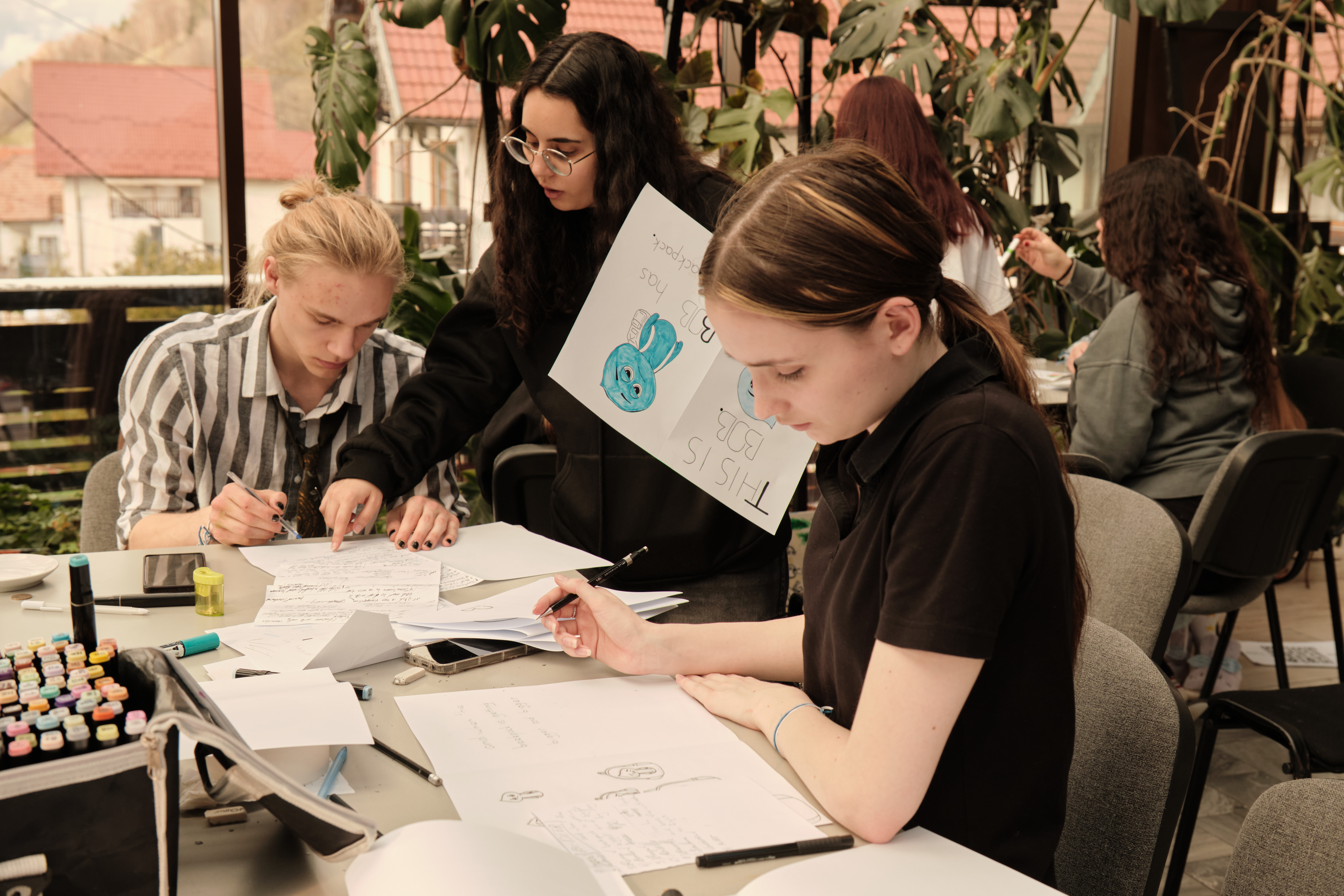
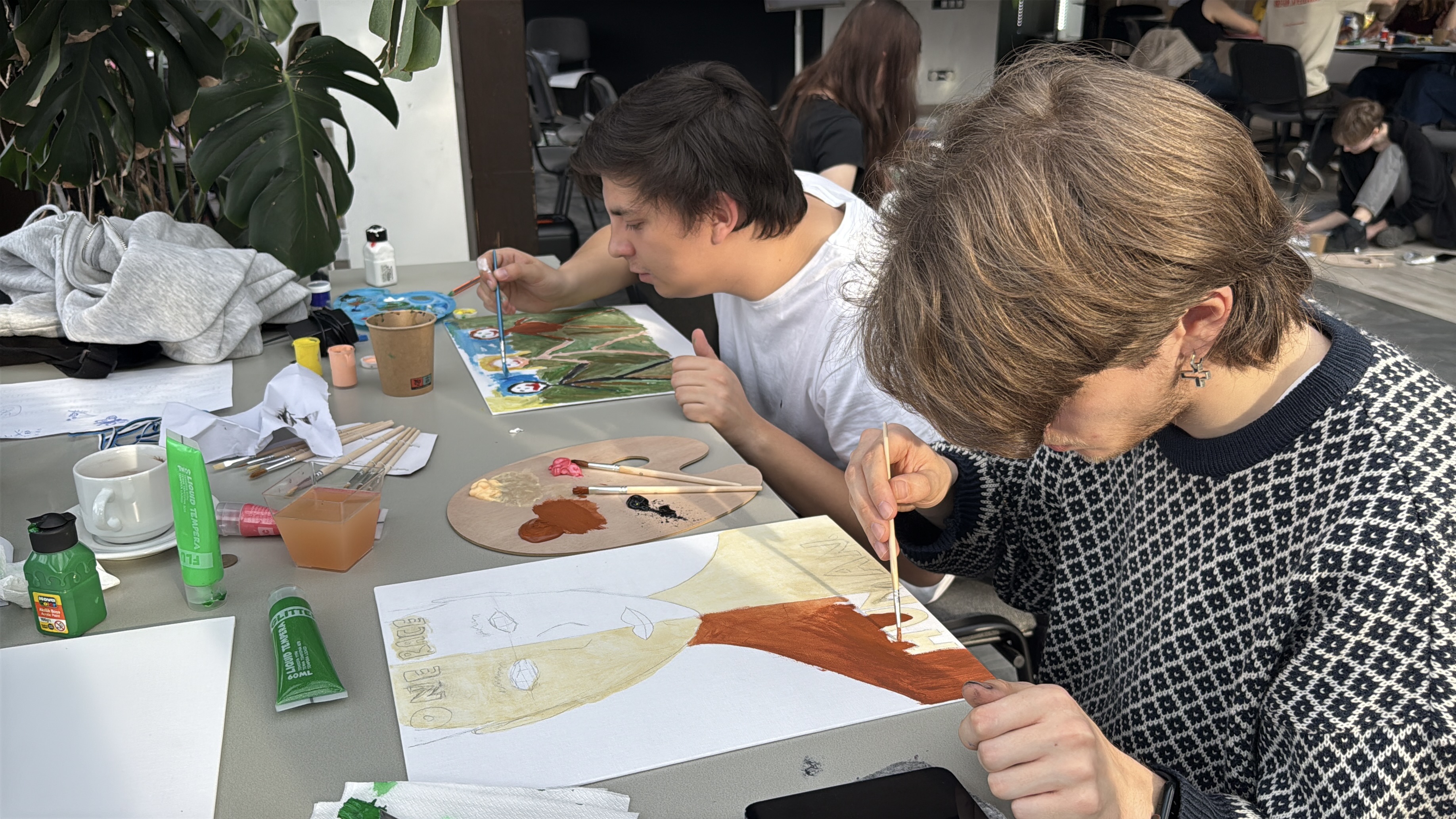
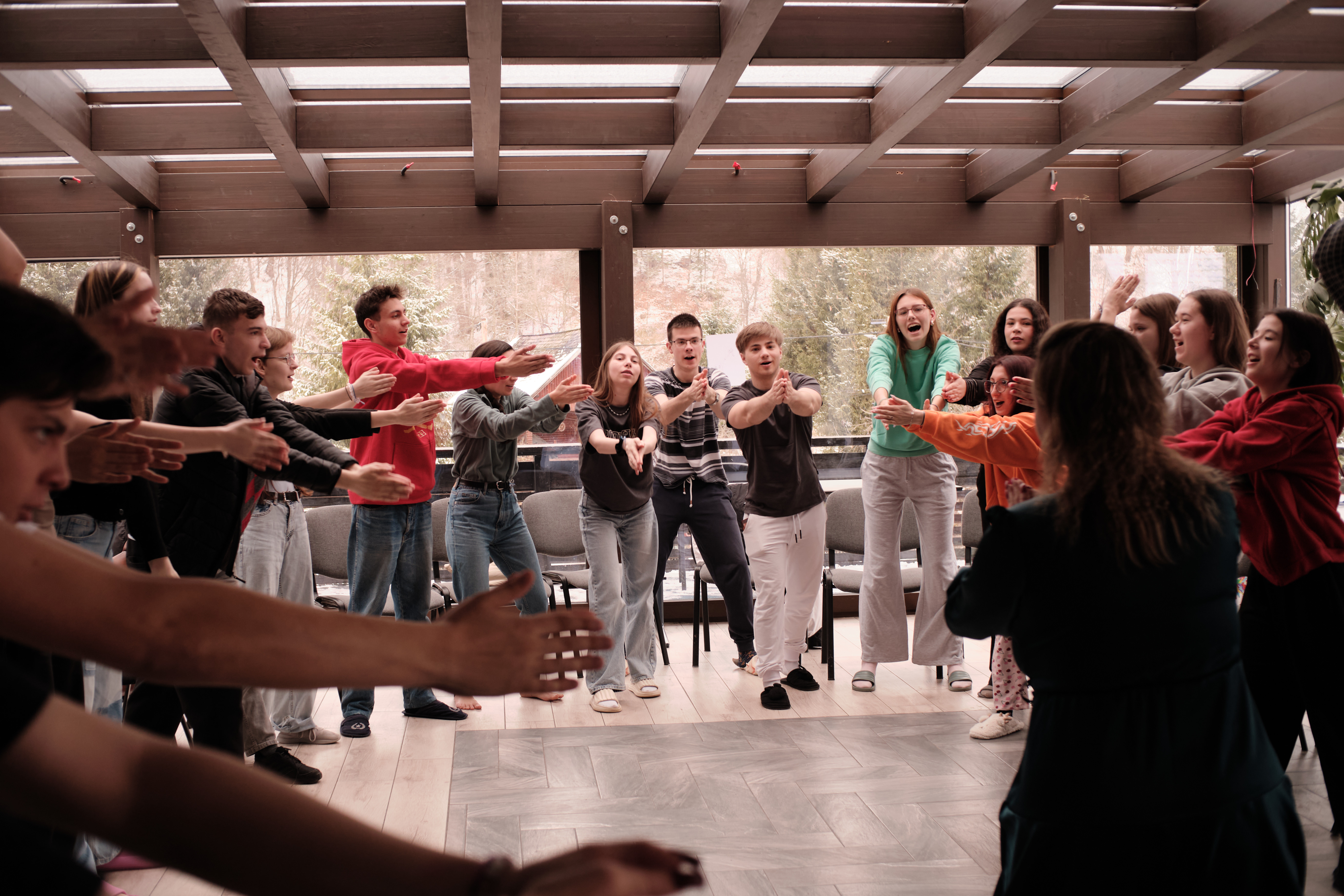
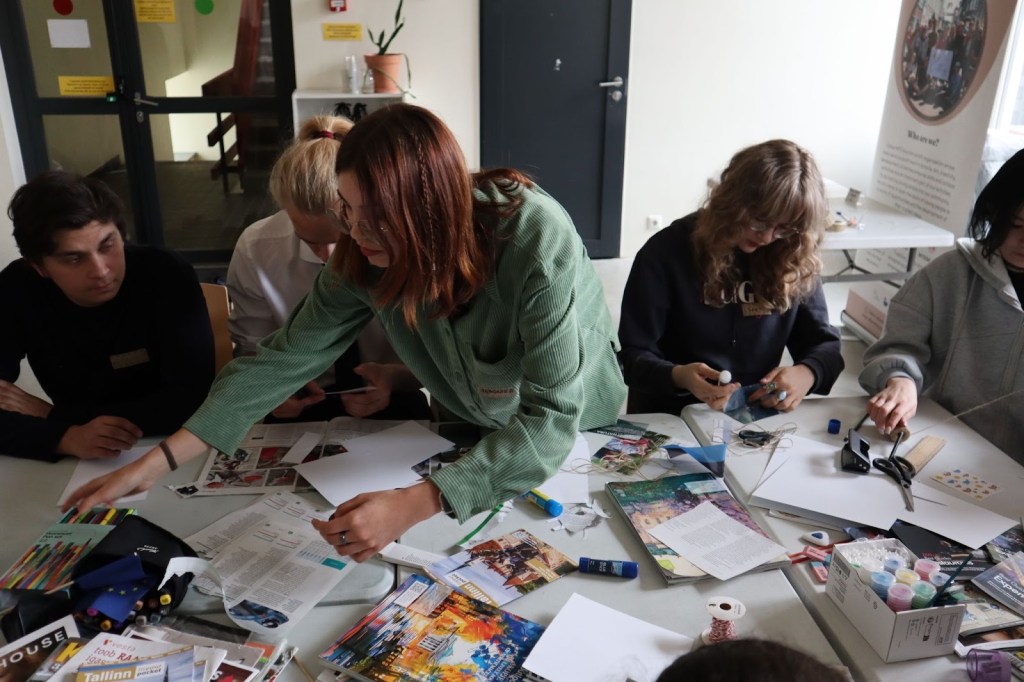
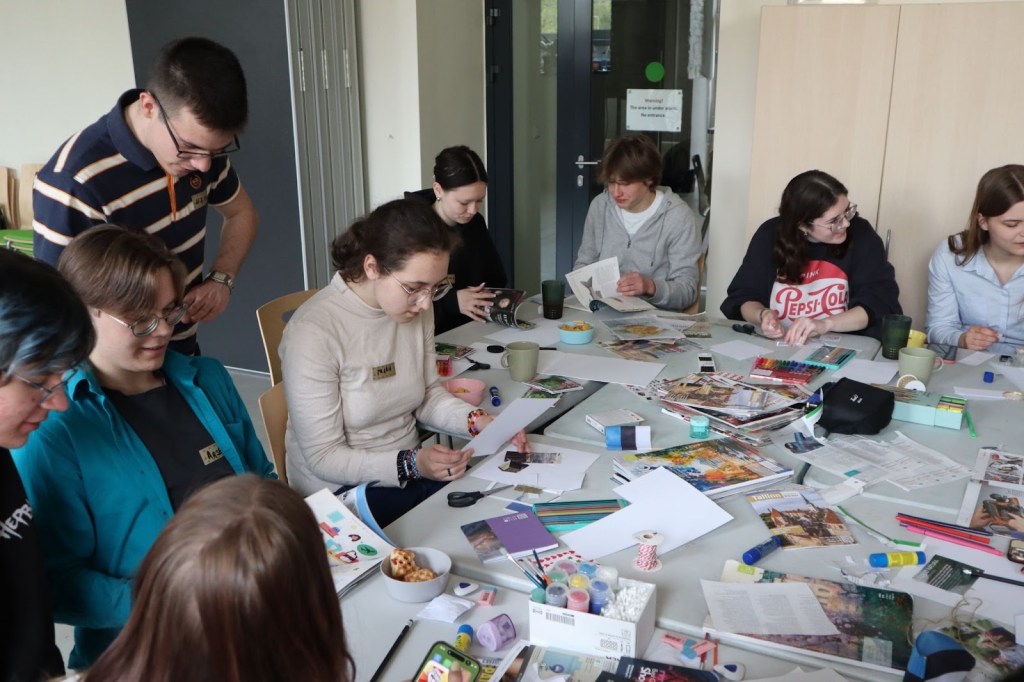
Creative exercises such as painting, drawing illustrated books, creating a lipdub and storytelling, to promote inclusion. We learned how to use visual media to give visibility to social issues and we exercised our „creative muscles” as a group and individually.
We also developed an Inclusion and solidarity guidebook, a valuable resource for begginer activists.

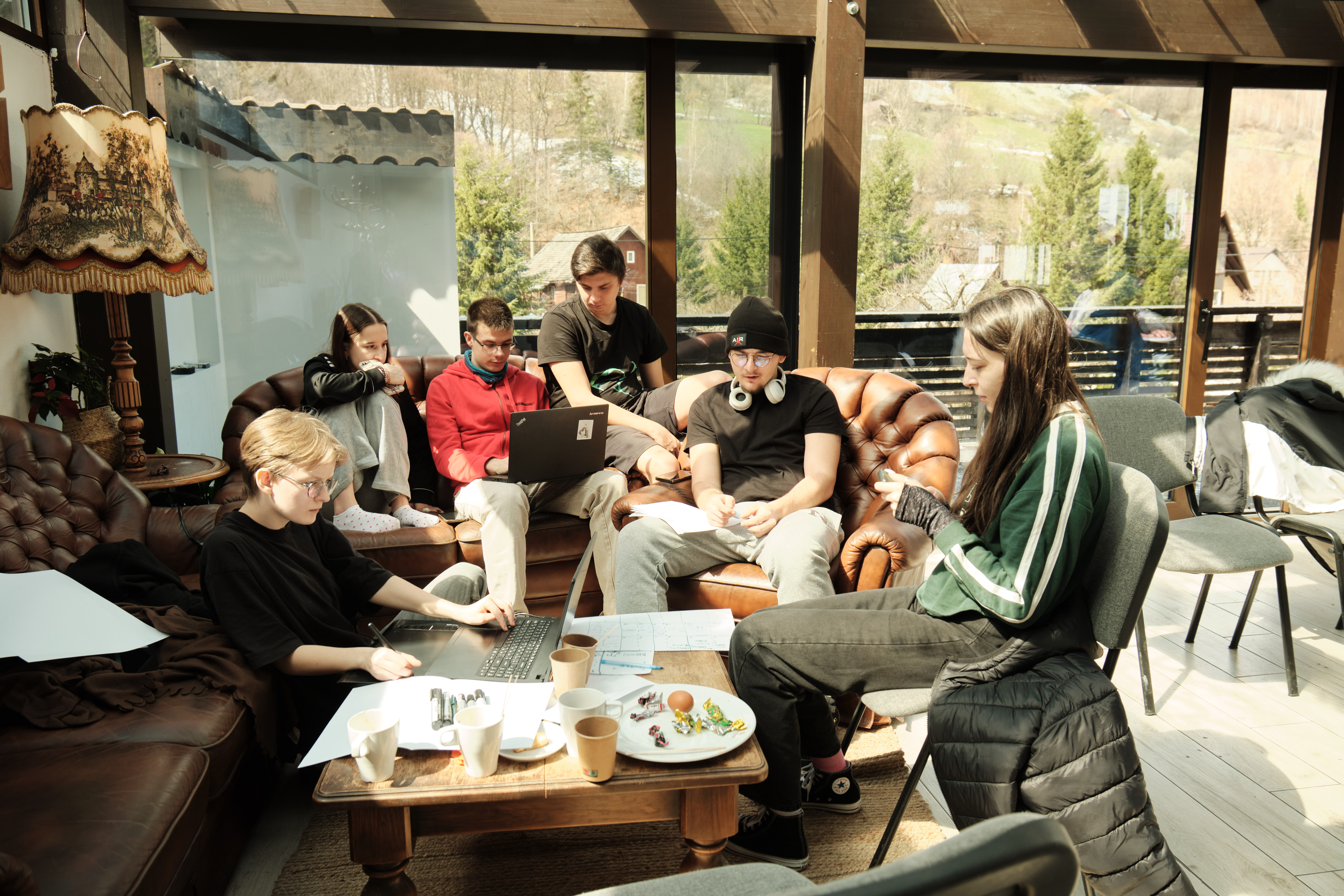
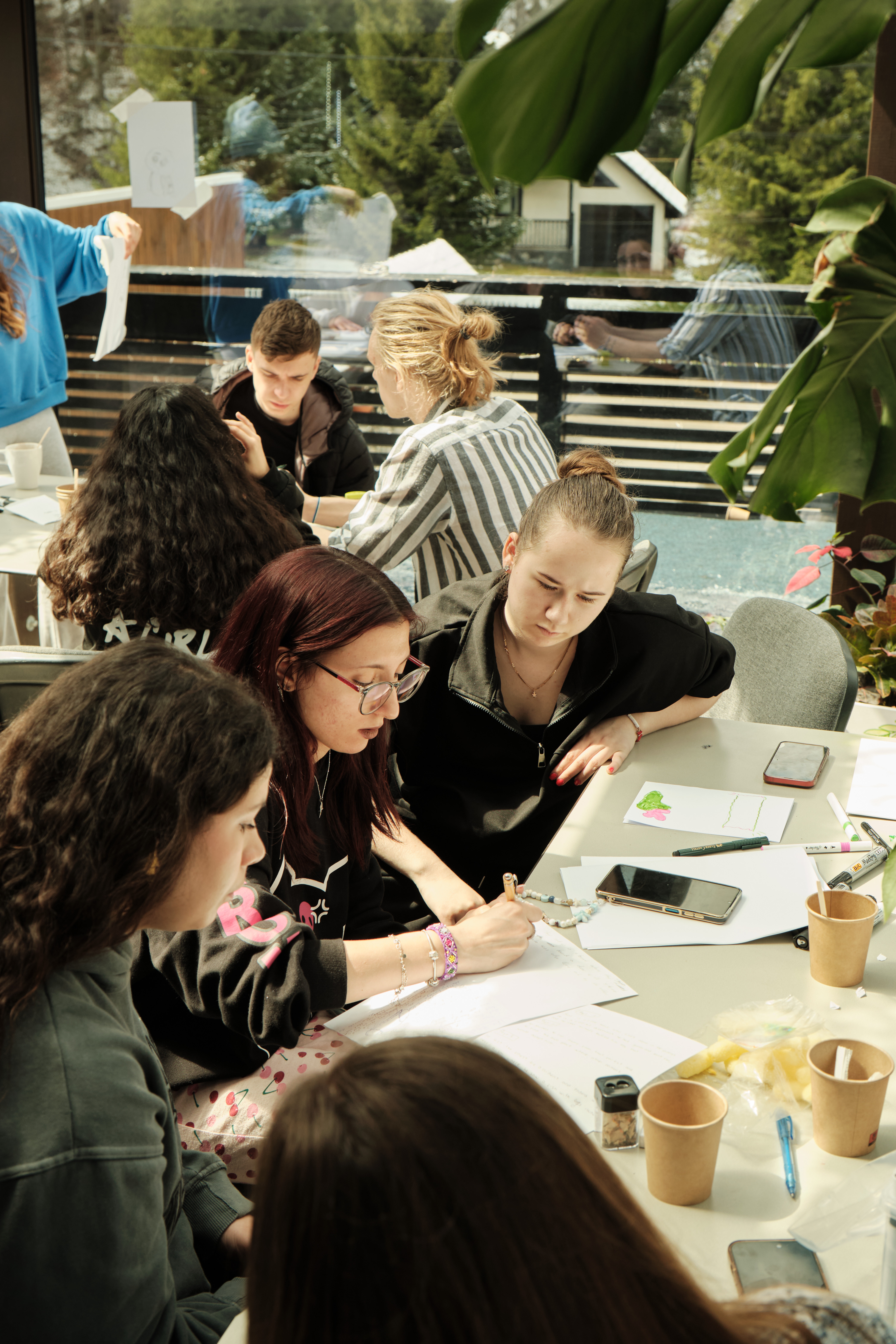
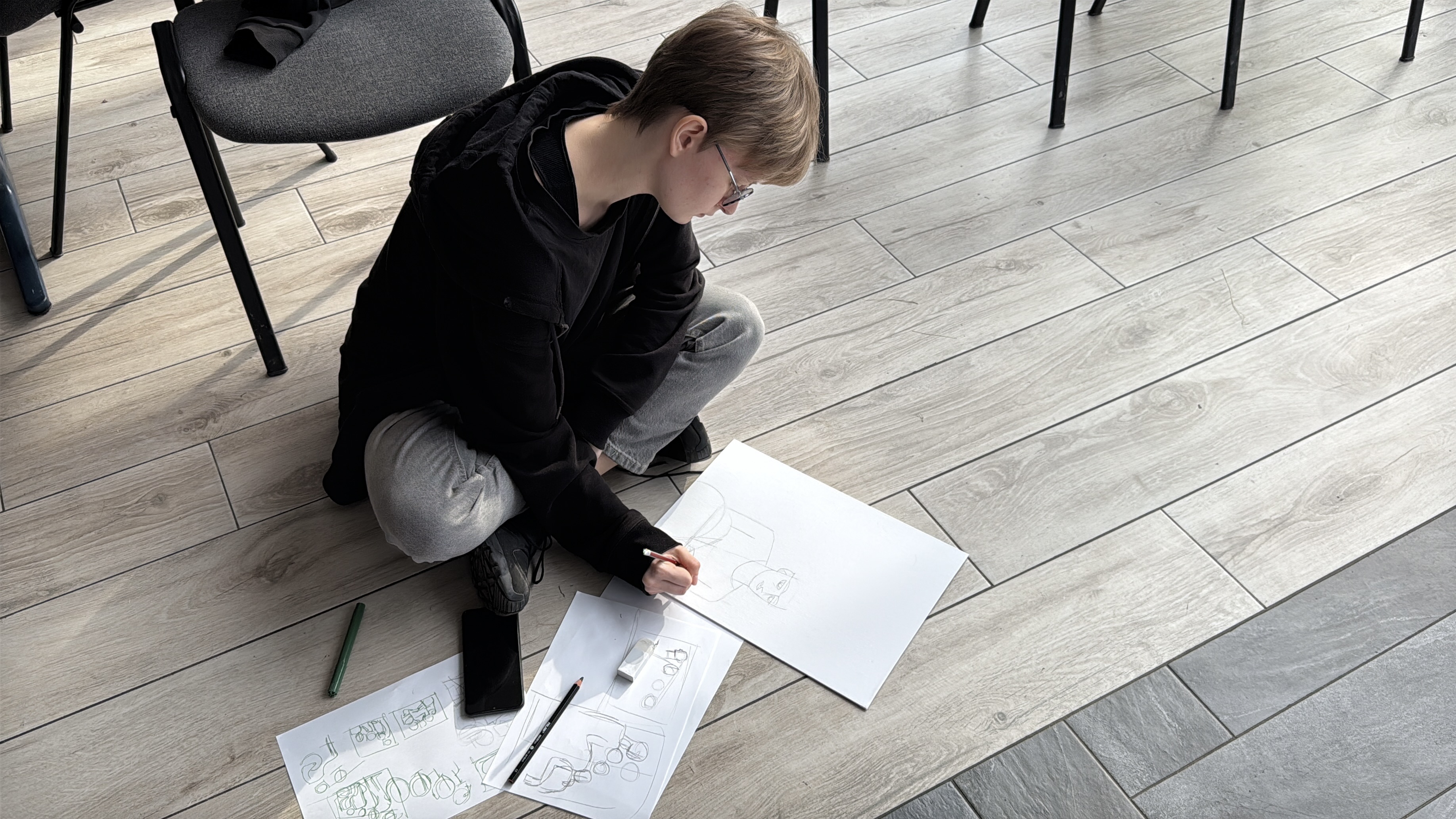
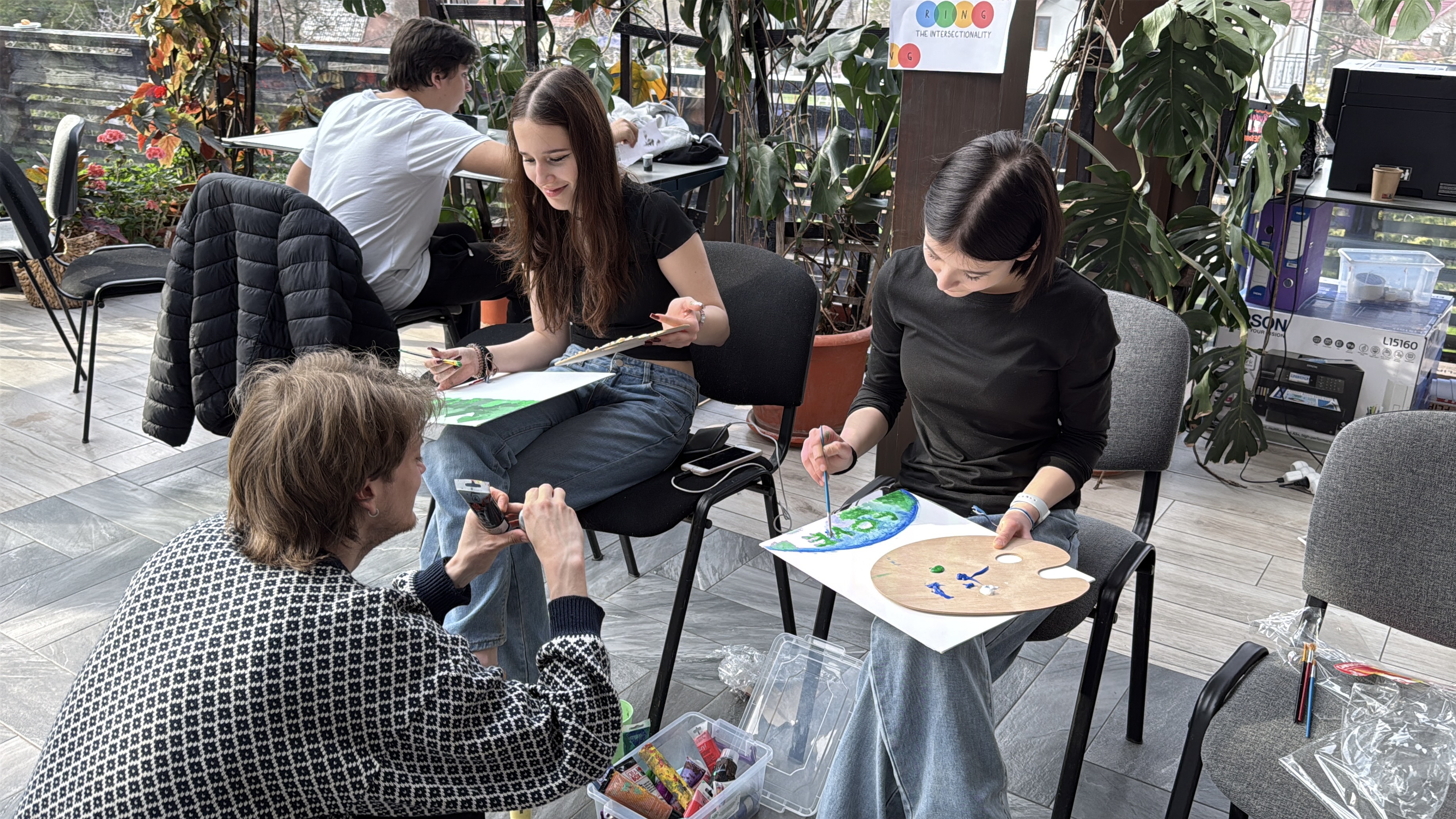

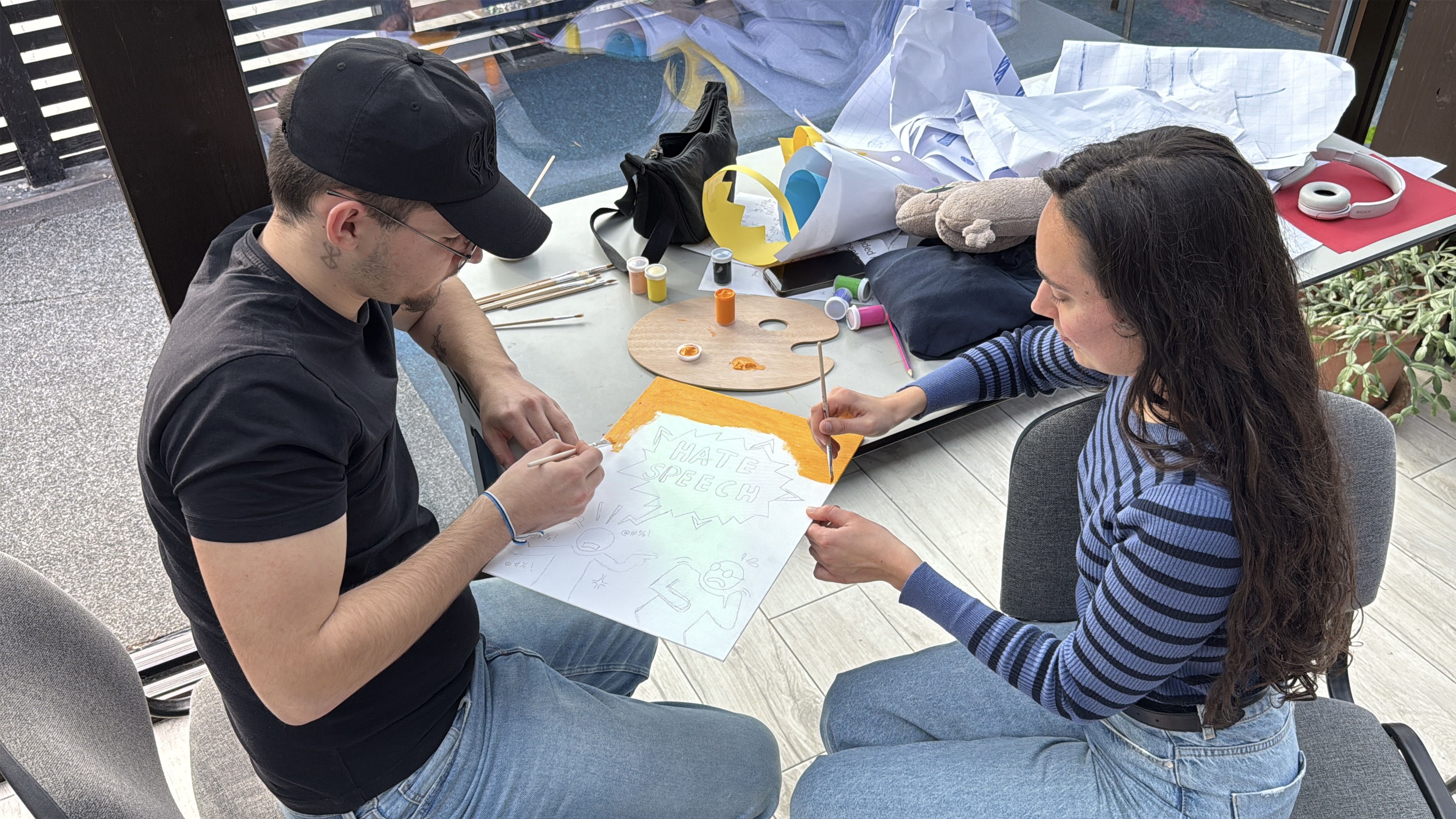
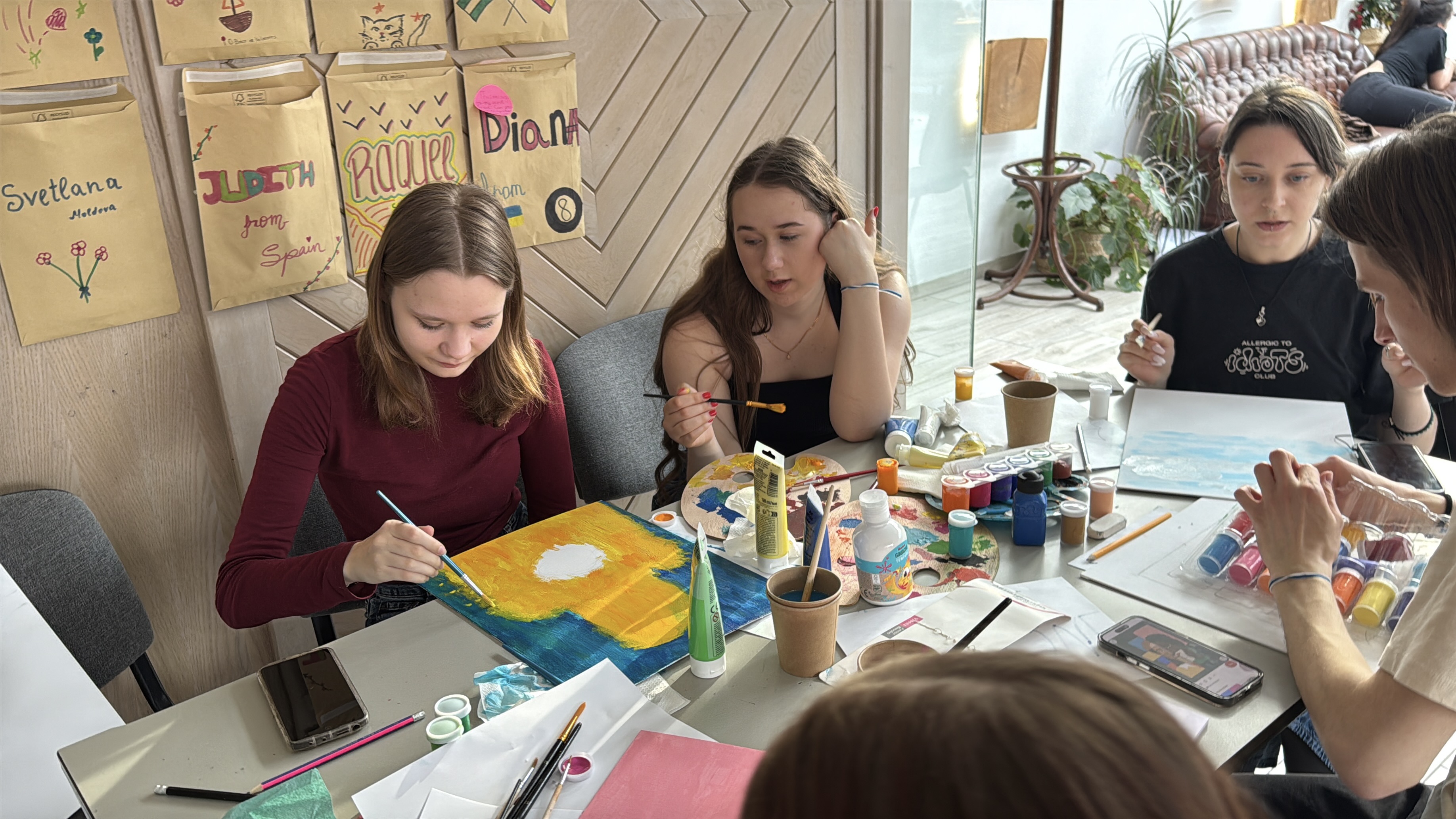
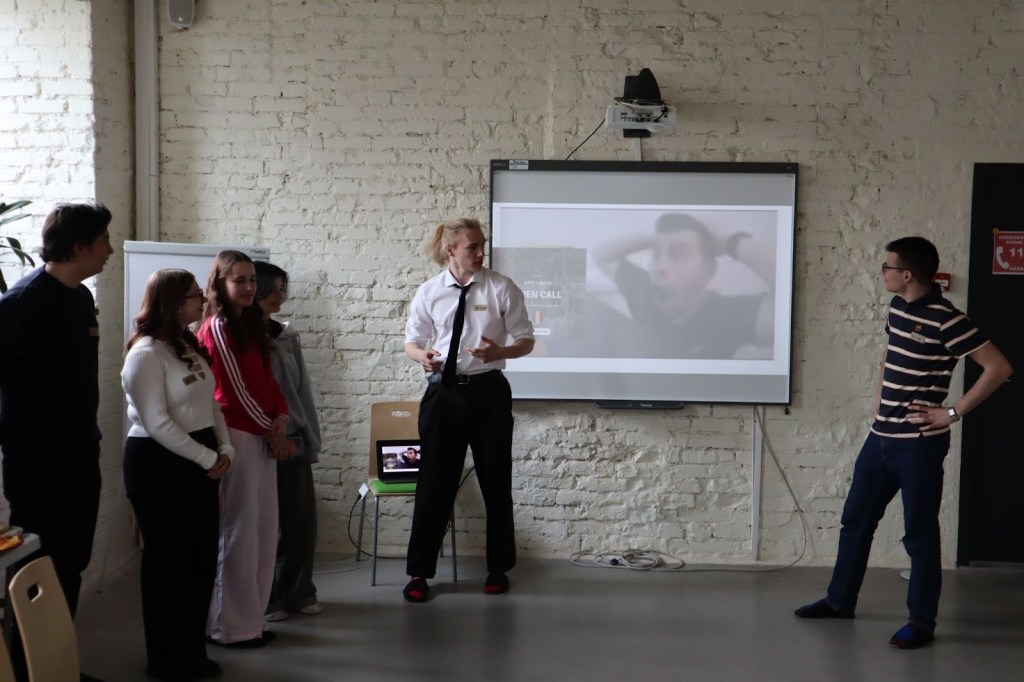
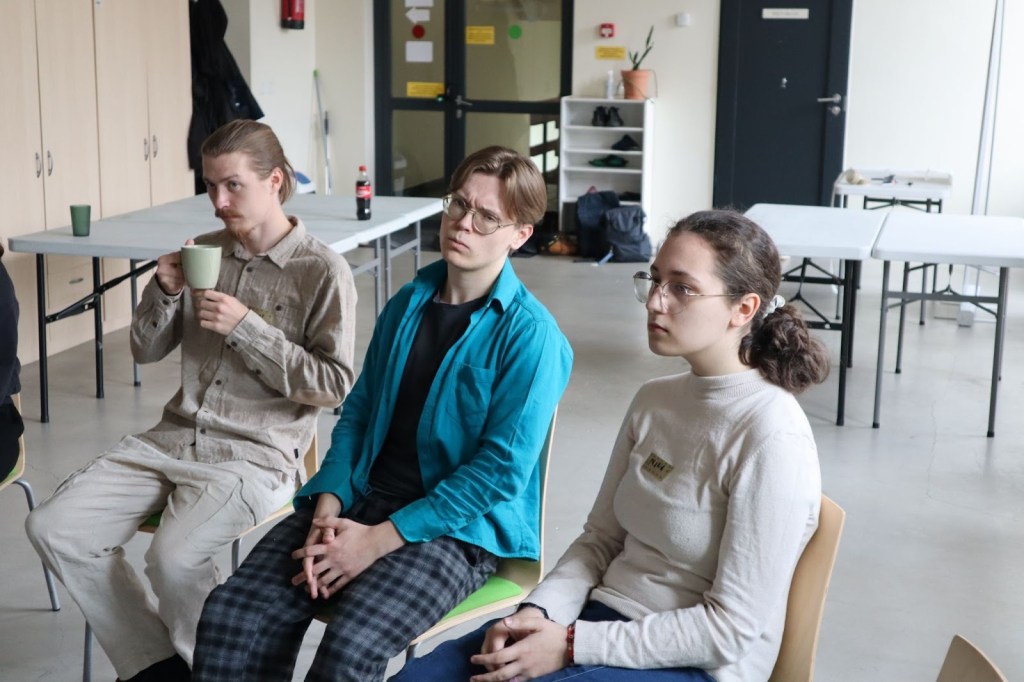
Forum theatre techniques, allowing participants to reenact real-life social issues and explore solutions. We created two theatre plays tackling the topics of being a victim of emotional abuse and manipulation from a significant other, as well as being the step child of an abusive parent. Both of these plays included also tackled gender dynamics on top and showed how much a support system can help in these situations. We played the two scenarios at Unirea National College in Brașov on 10th of April, having a crowd of over 100 young people and teachers for each play.
Iza from Artiz helped us tap into our acting skills, grow our confidence and be ready to tackle sensitive topics on stage.


Main results
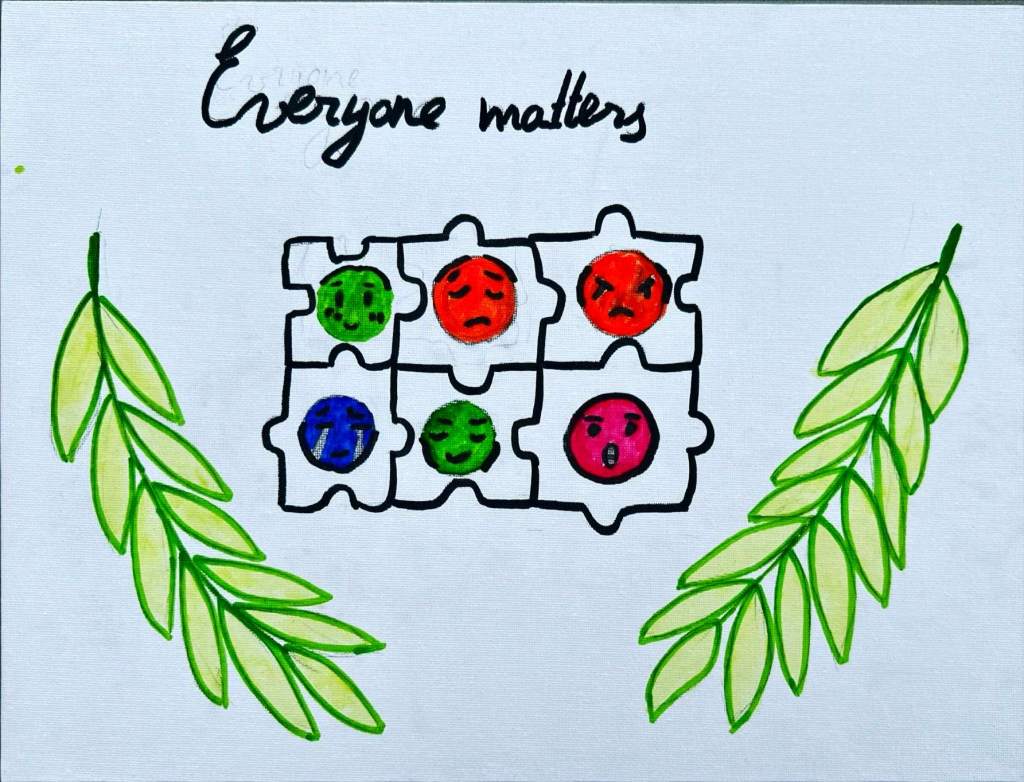
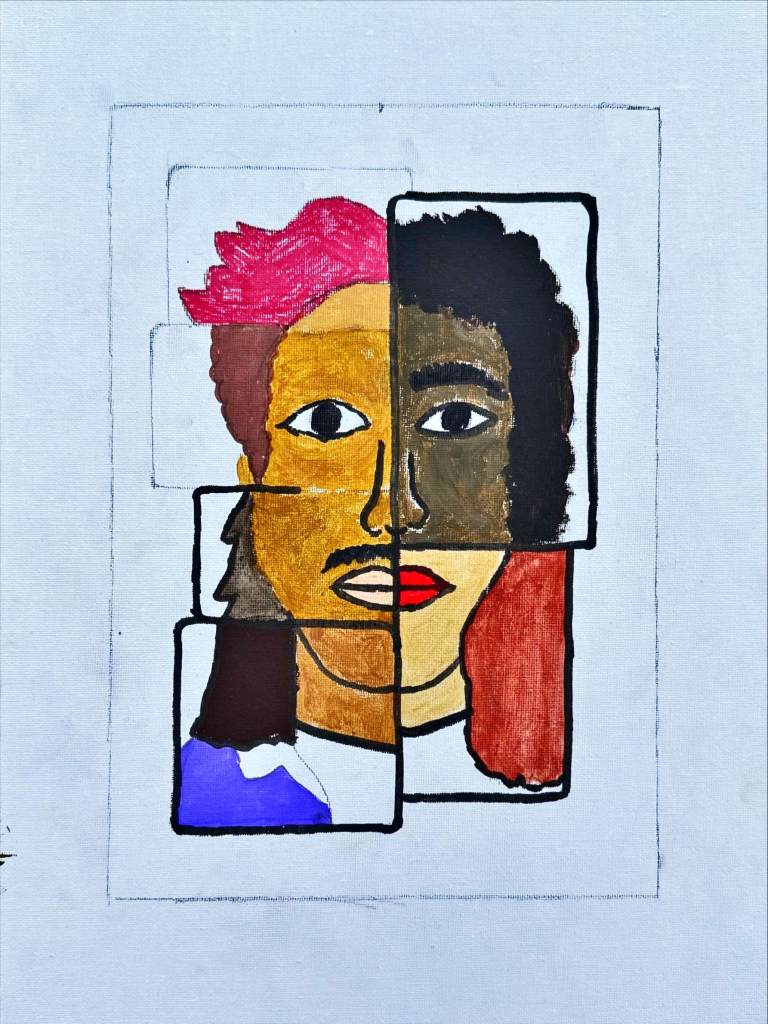
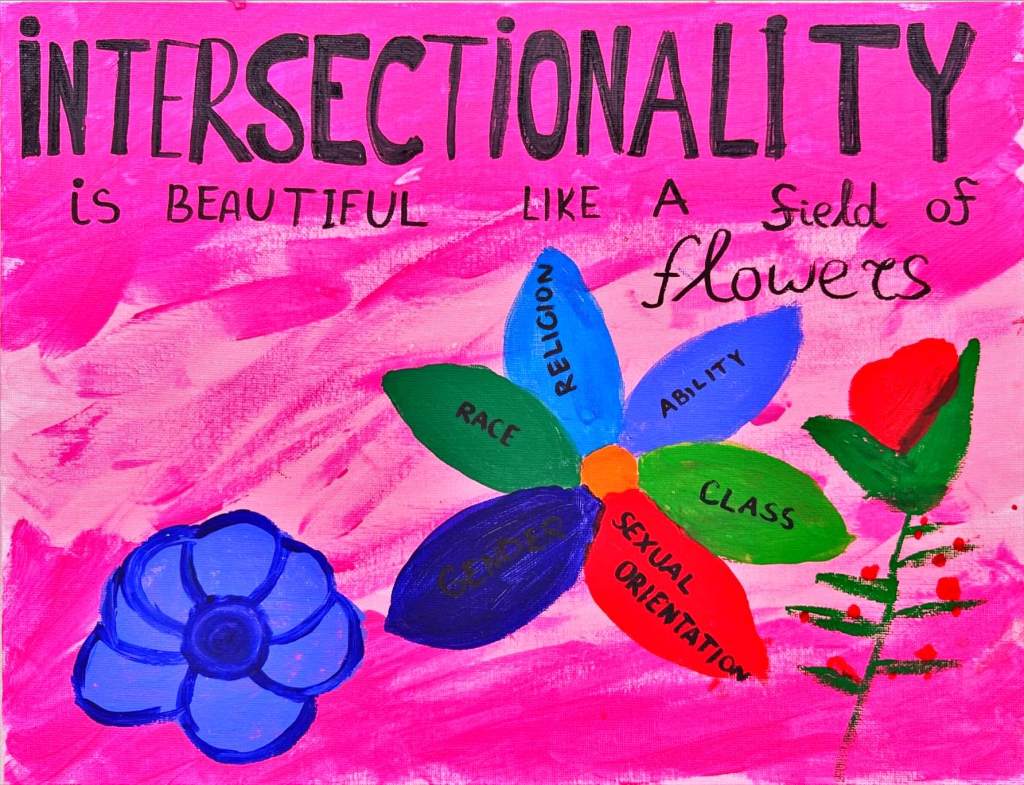
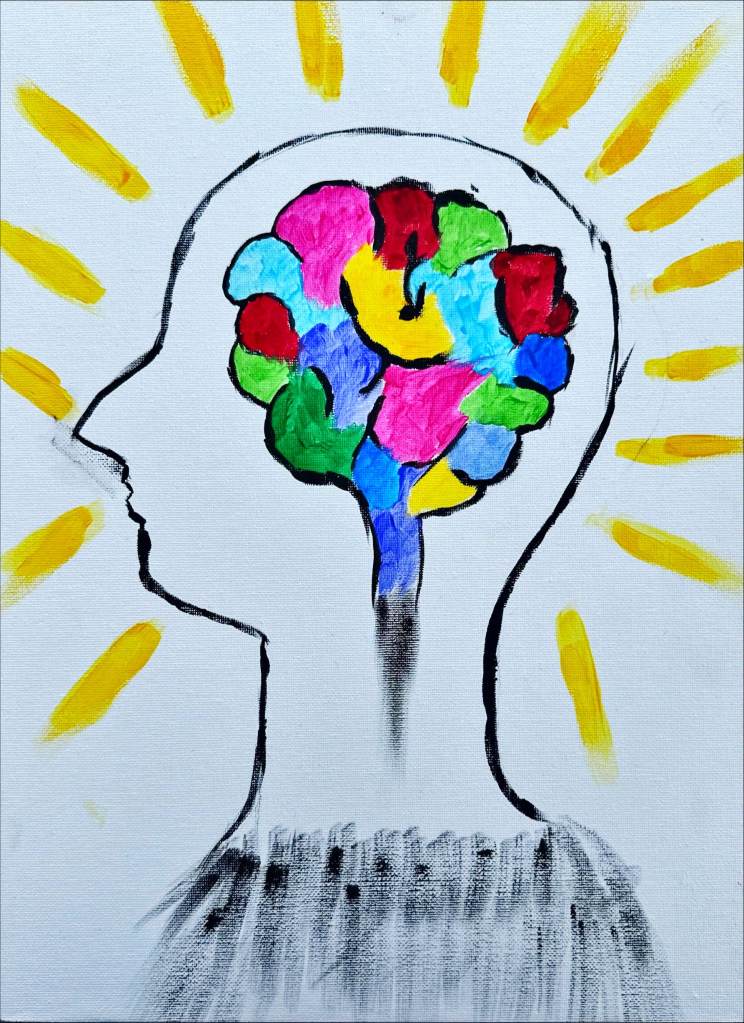
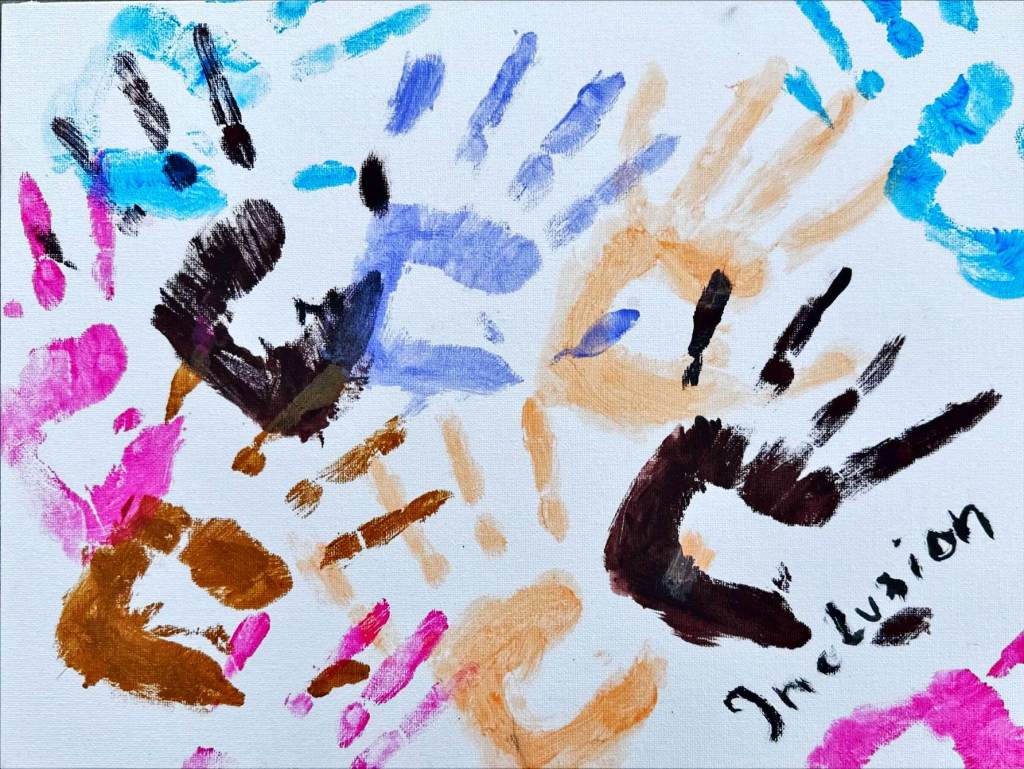
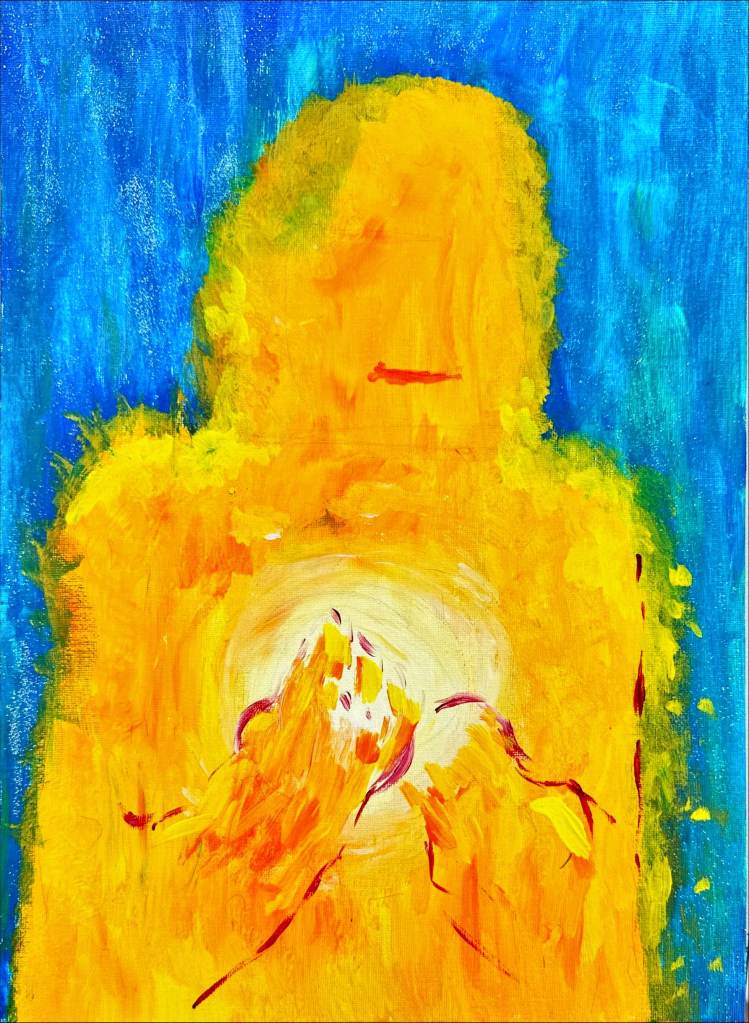
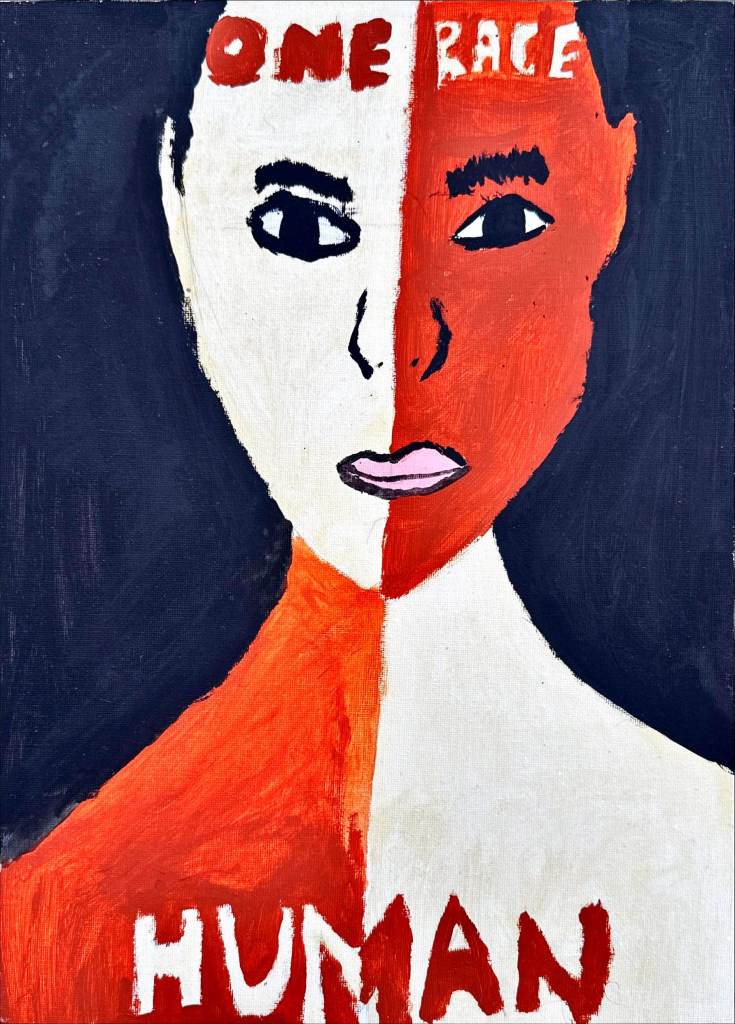
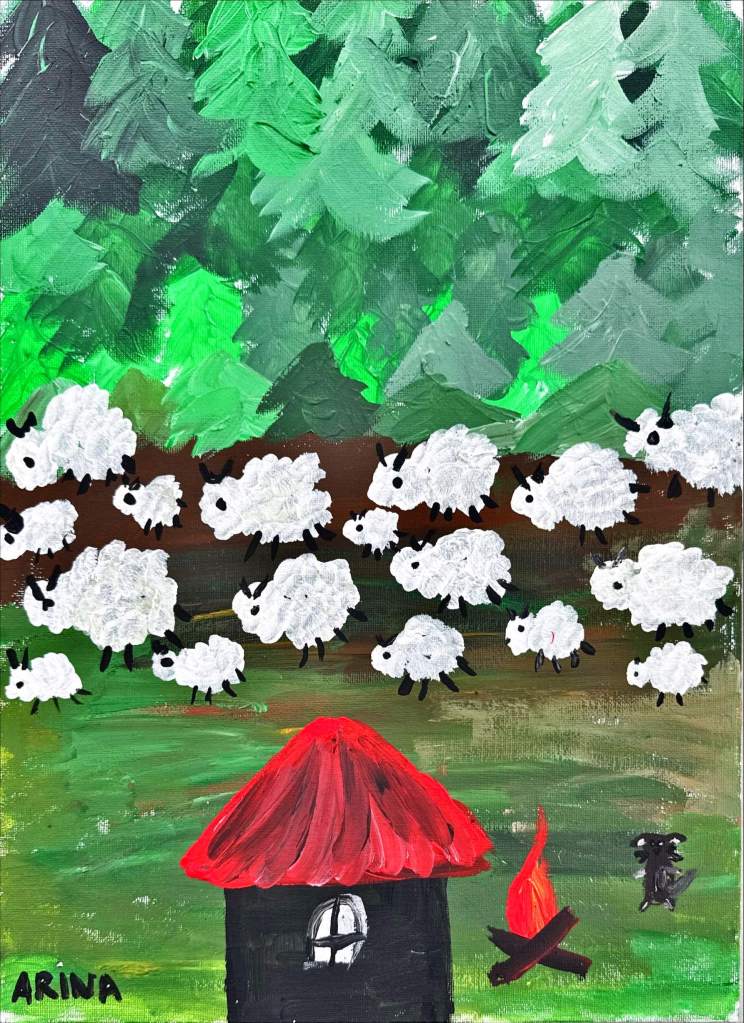
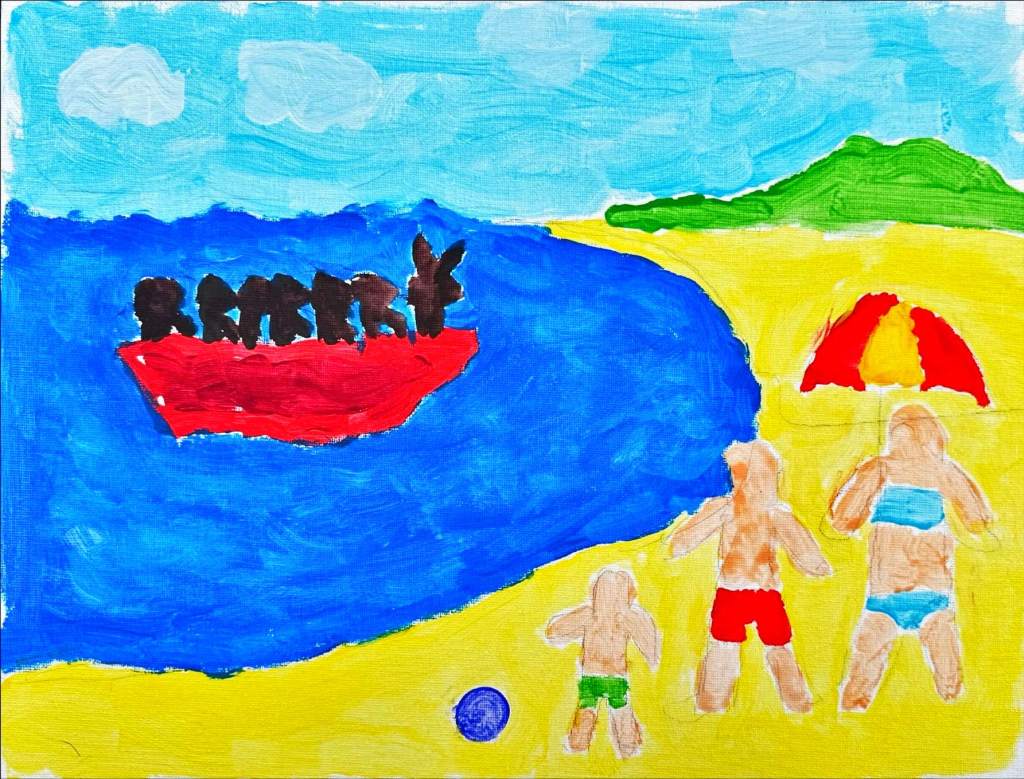
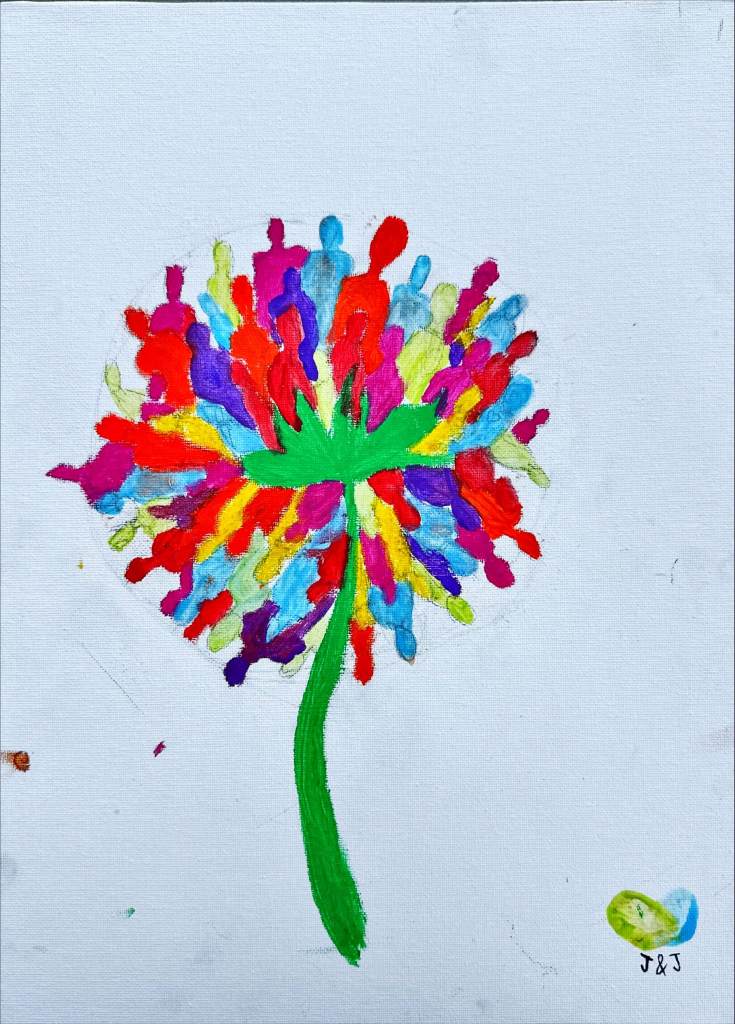
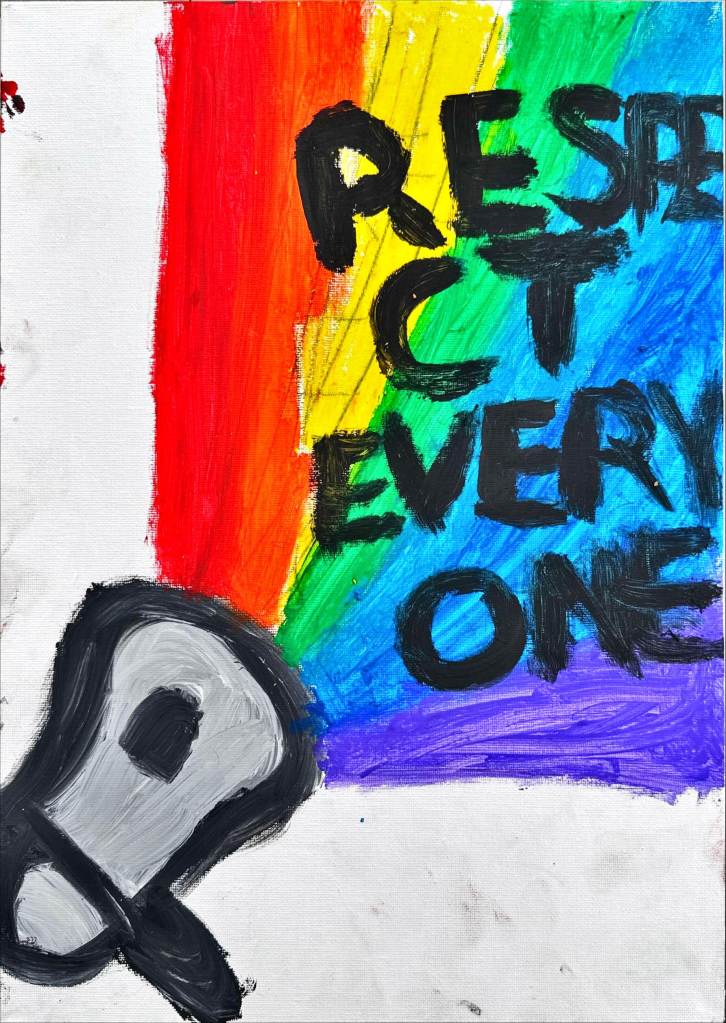
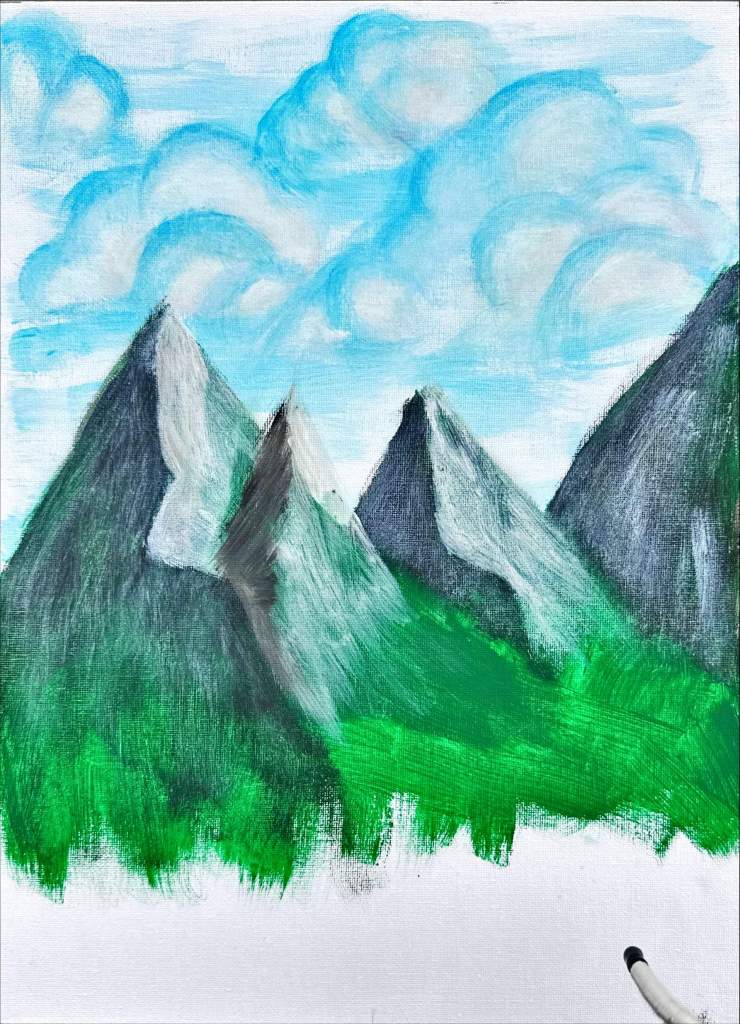
20 paintings reflecting different aspects of human rights and its intersection with rural youth:
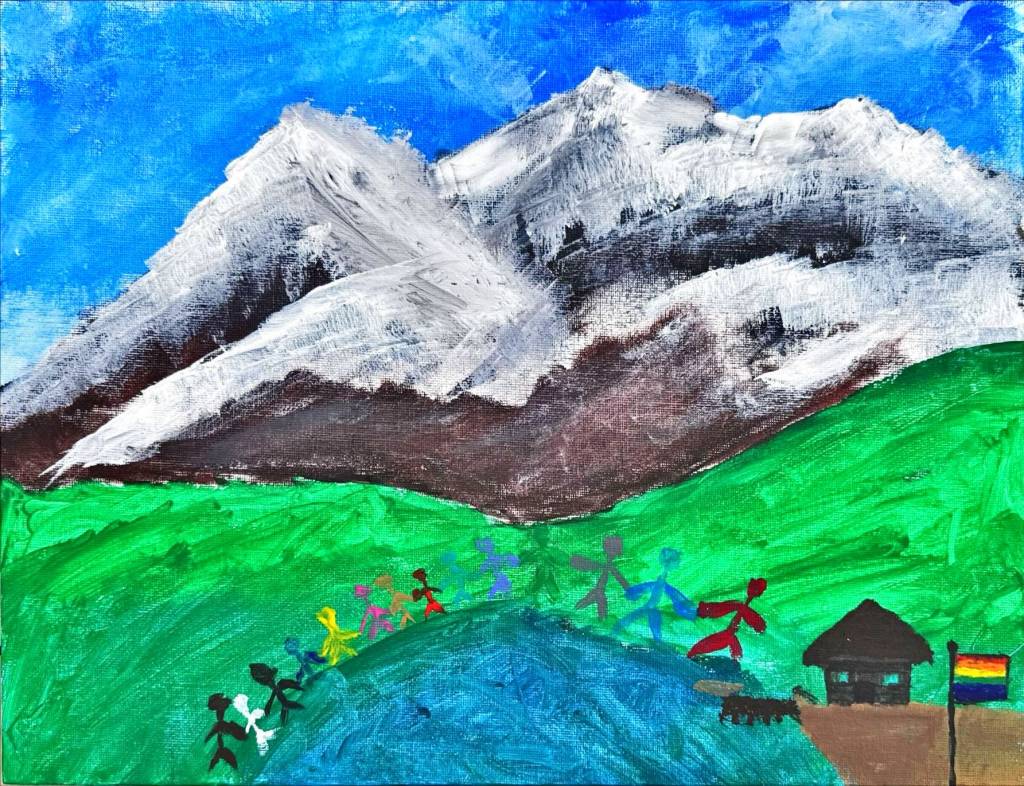
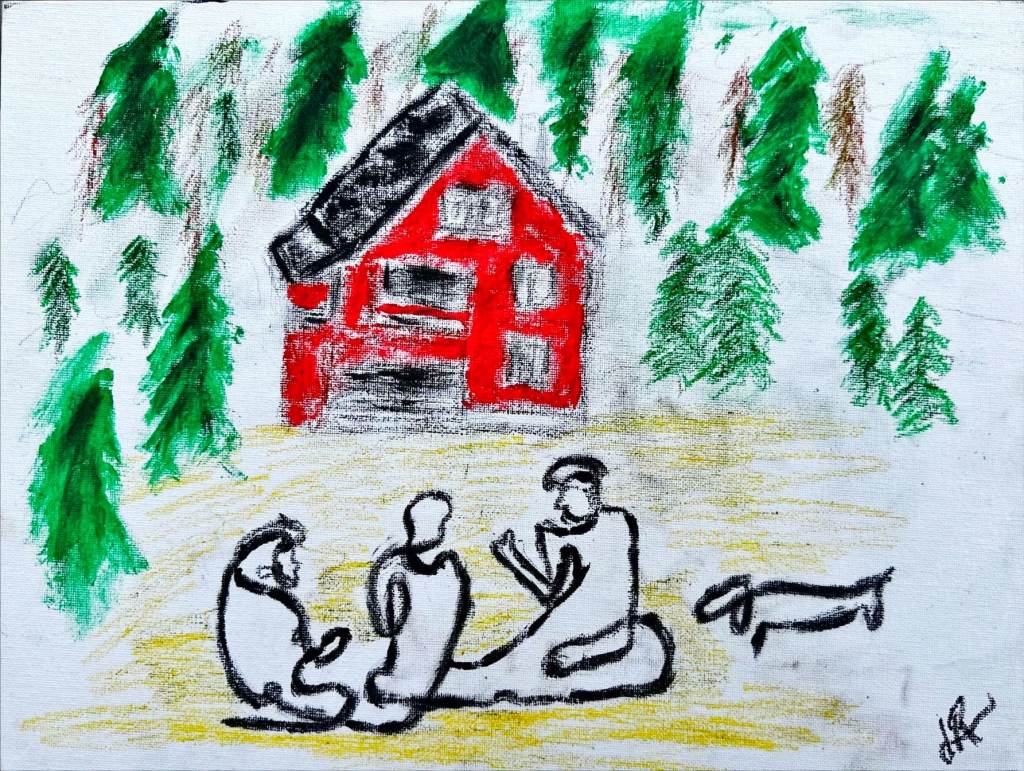
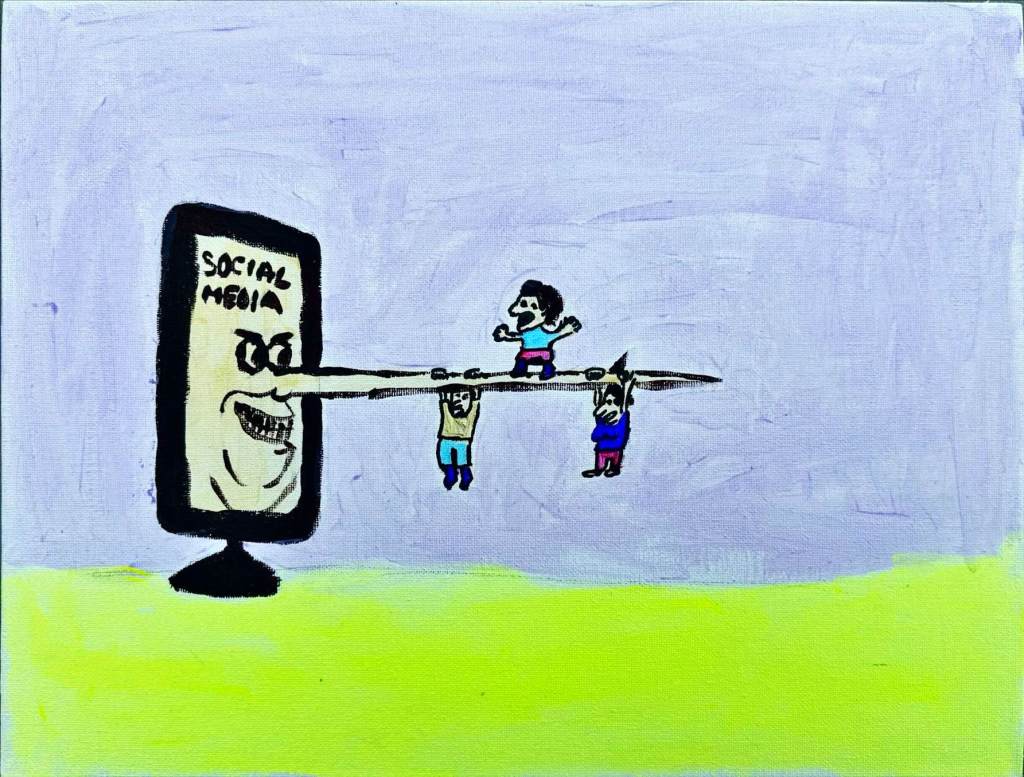
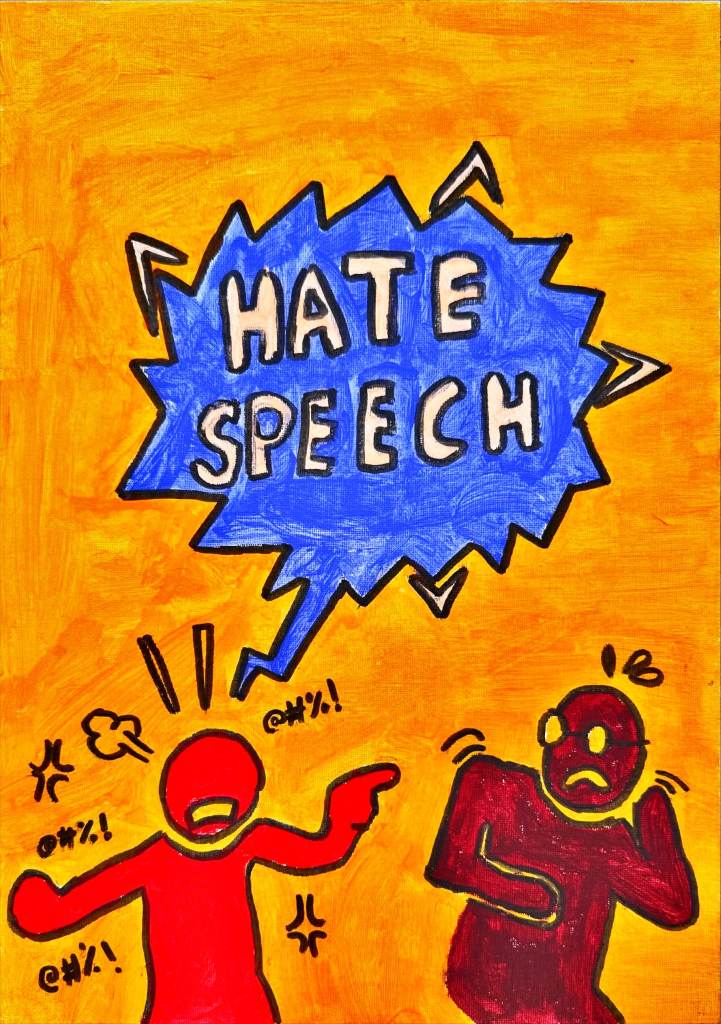
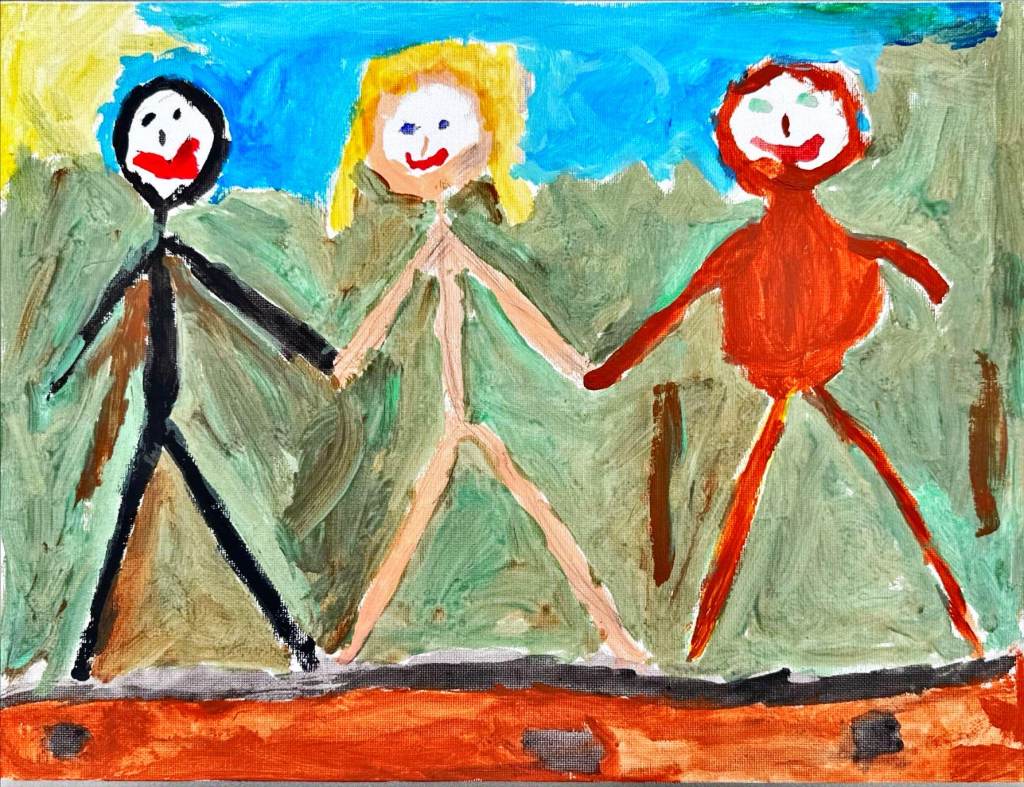
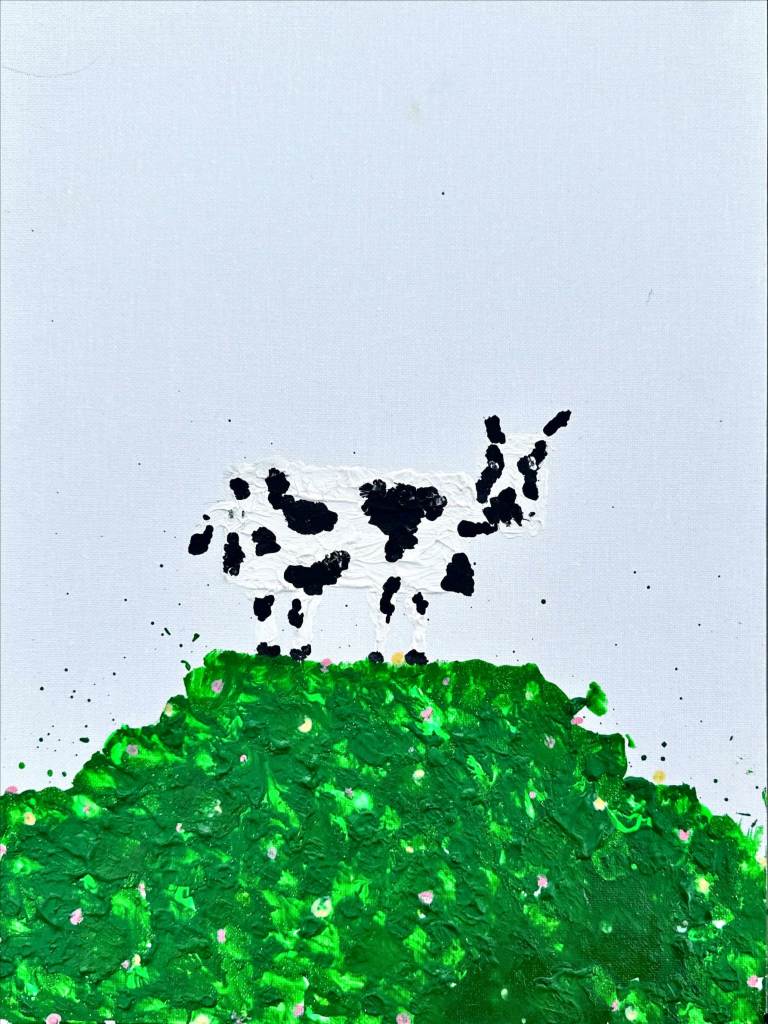
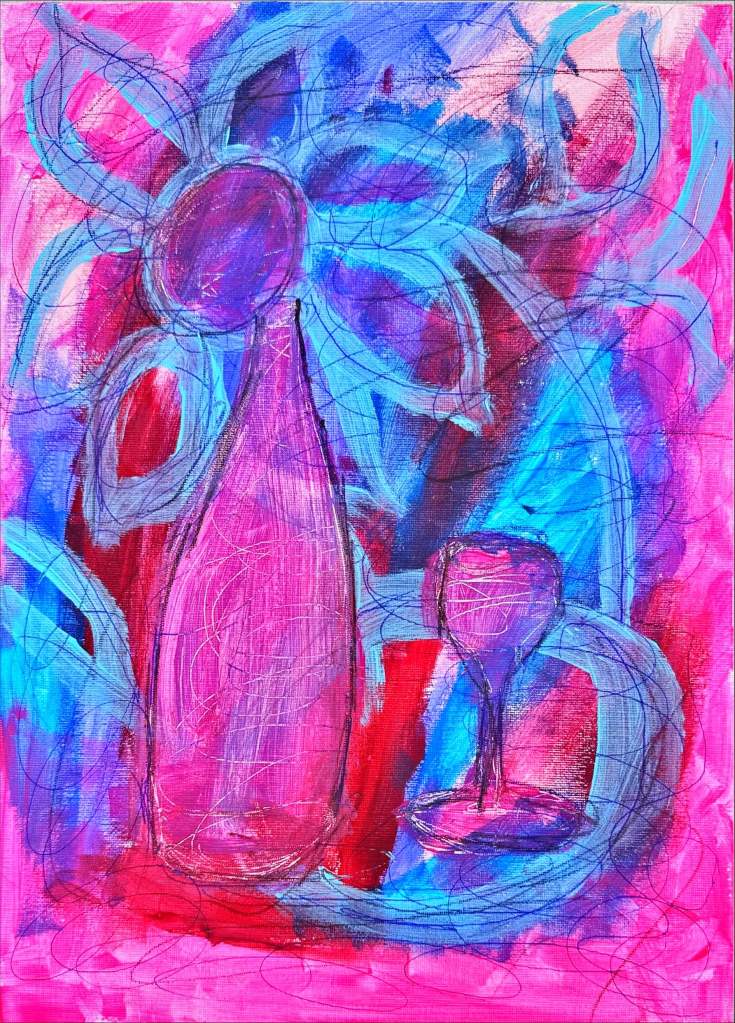
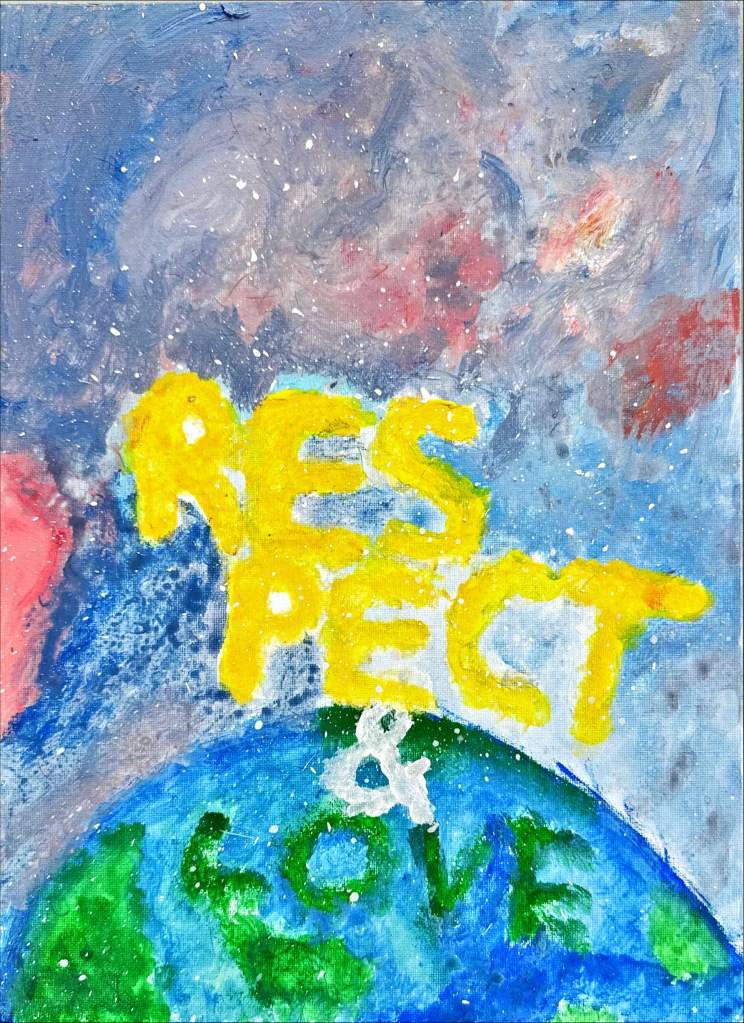
A lipdub on a European Youth Village anthem created to empower rural youth to work together:
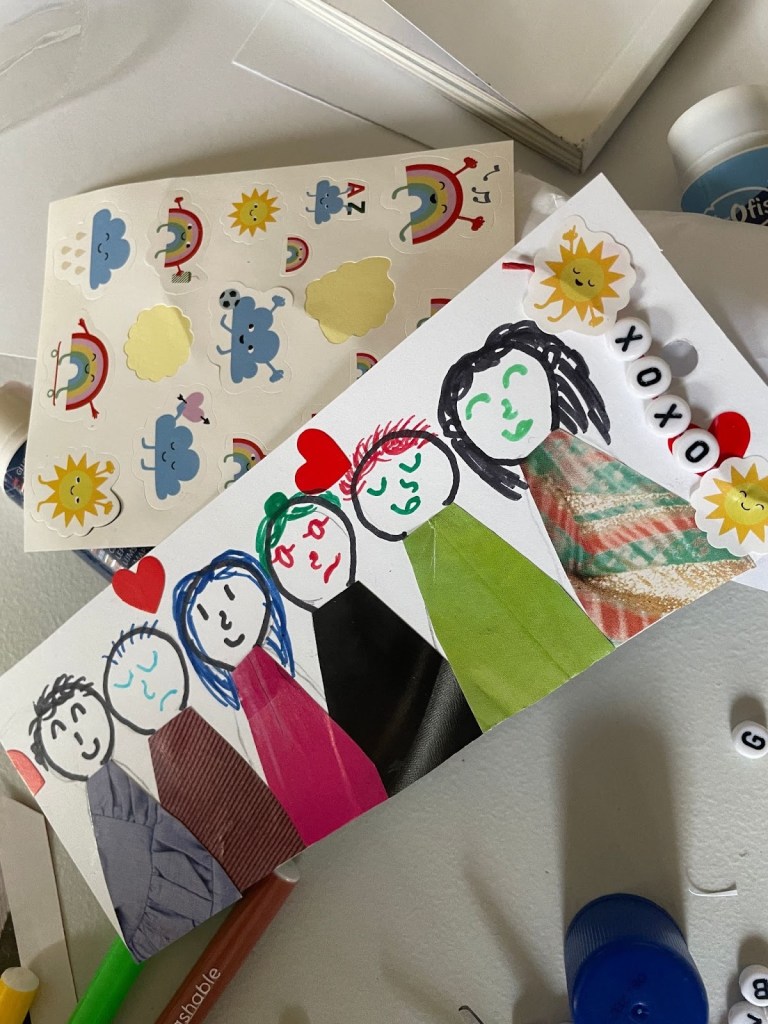
5 illustrated books tackling oppression, inclusion, addiction, community work and found family:
2 forum theatre plays:
An Inclusion and solidarity guide:
A photobook of the experience:
Passing the knowledge forward
When they got back home, the participants organized local activities where they passed the experience to other young people from their communities.


We also presented the project at the National Rural Youth Summit as a best-practice example in youth exchanges, during a session organized in collaboration with the Romanian National Agency.
Partners:

Big thanks to the partners of this project: Multisport Estonia MTÜ(Estonia), Asociația Obștească Alternativa (Moldova), Valdeorras Vive (Spain) and Kremenchuk Informative-Elucidative Centre European Club (Ukraine)
Funded by

 Ring the Changes